Lectures 1-5: the chemical composition of Earth
- Introductions
- Who am I?
- Who are you?
- Course structure
- Making the Earth
- Chemical composition of the solar system
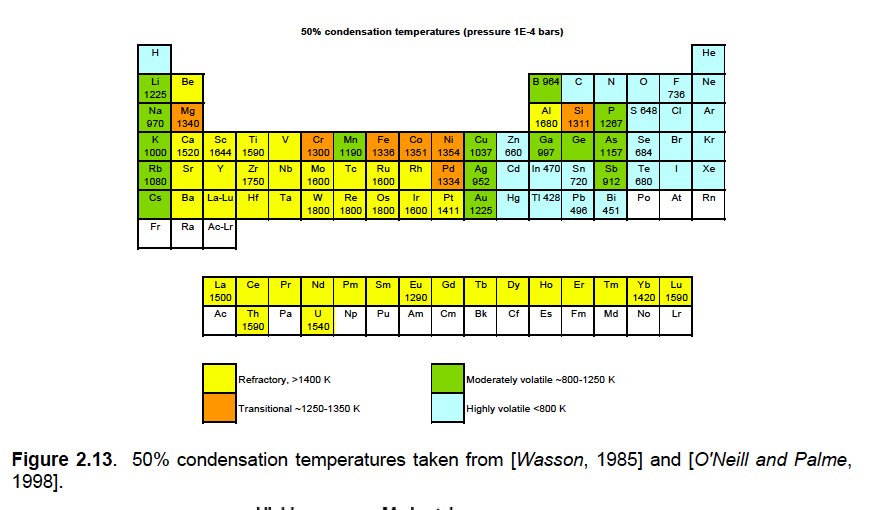
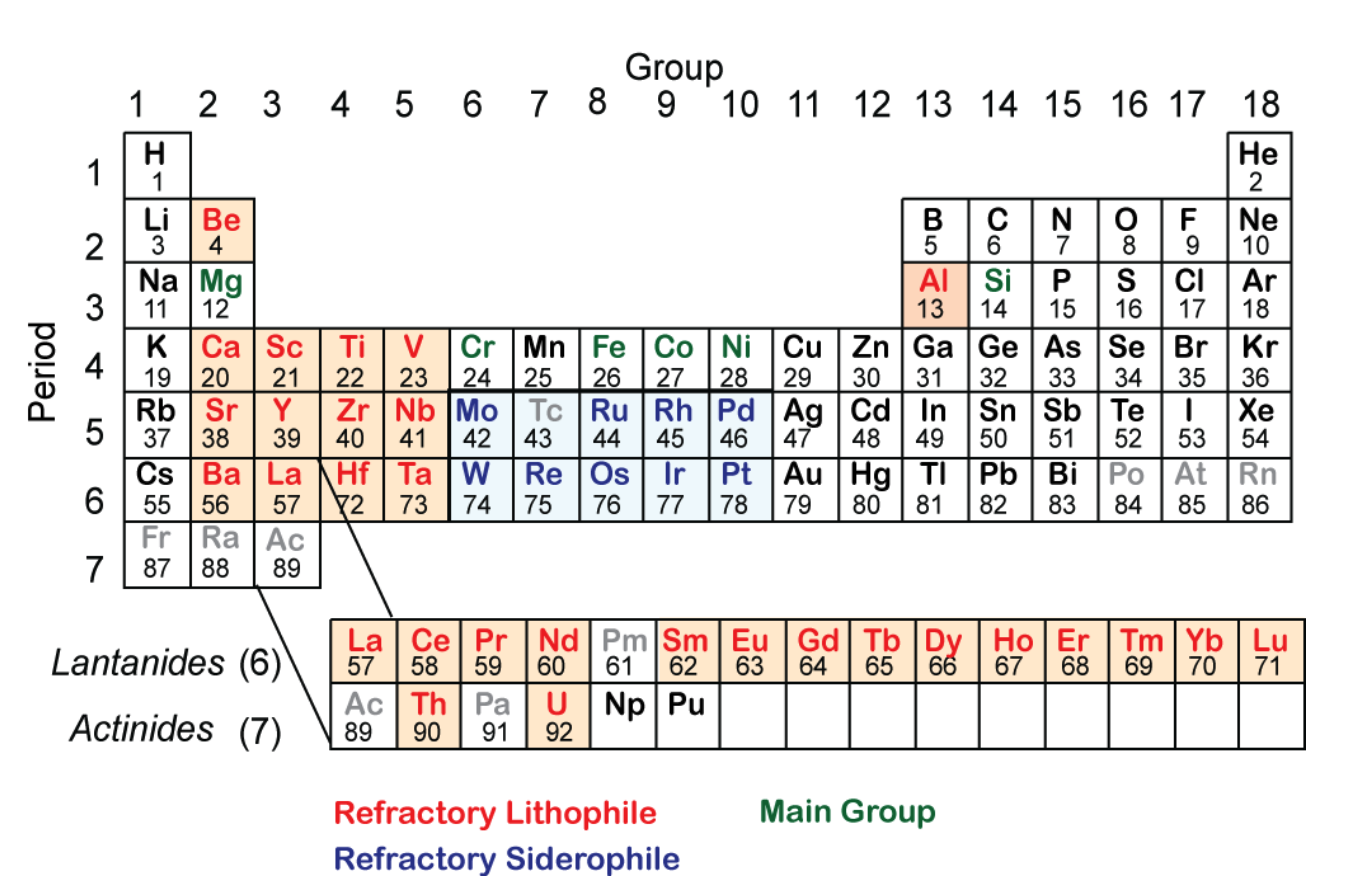
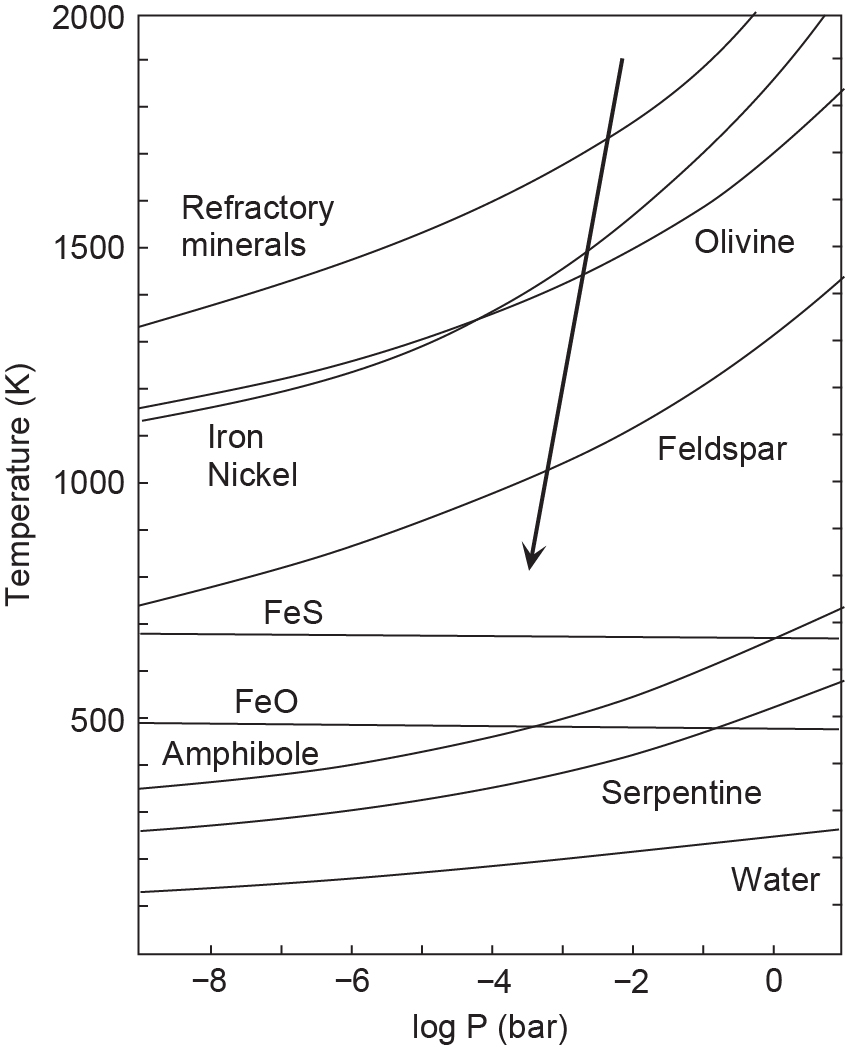
- Refractory and volatile elements
- Lithophile and Siderophile
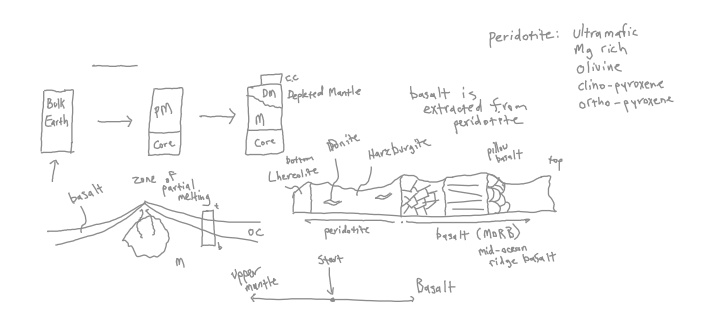
- Primitive Mantle
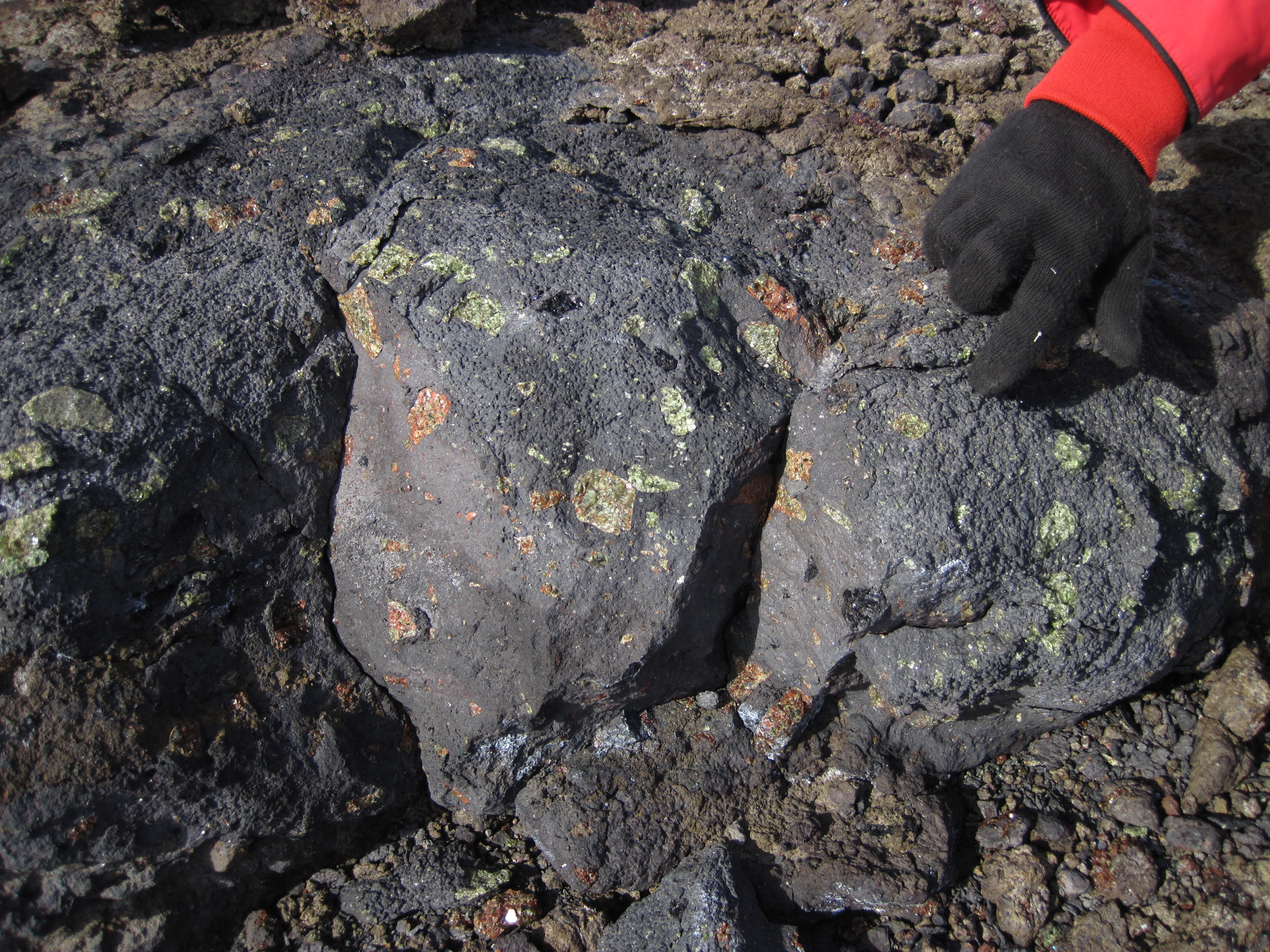
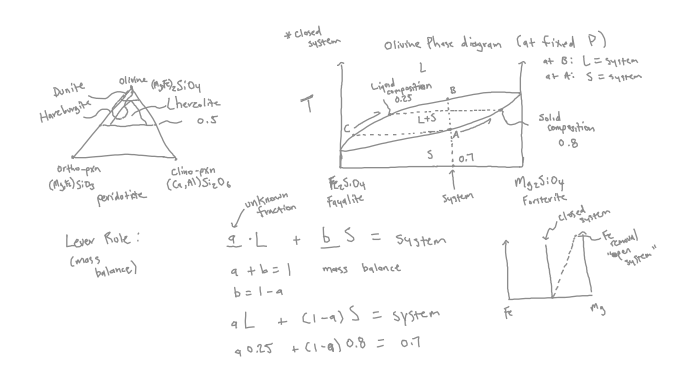
- Melting Olivine
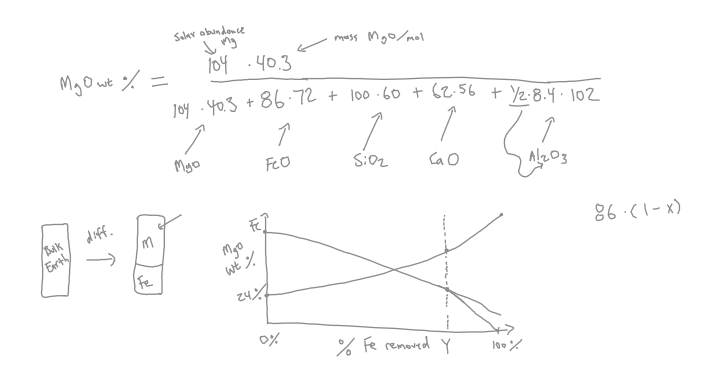
- Pyrolite model
Who am I?
- Blake Dyer (he/him/his)
- I prefer Blake over Dr. Dyer or Professor Dyer
- Undergraduate at Rice University 2006-2010
- PhD at Princeton University 2010-2015
- Postdoc at LDEO (Columbia University) 2016-2019
- Started in SEOS at UVic in Nov 2019
- Fifth time teaching EOS 240
- Also teach Advanced Sed/Strat, Marine Geology, and The Dynamic Earth
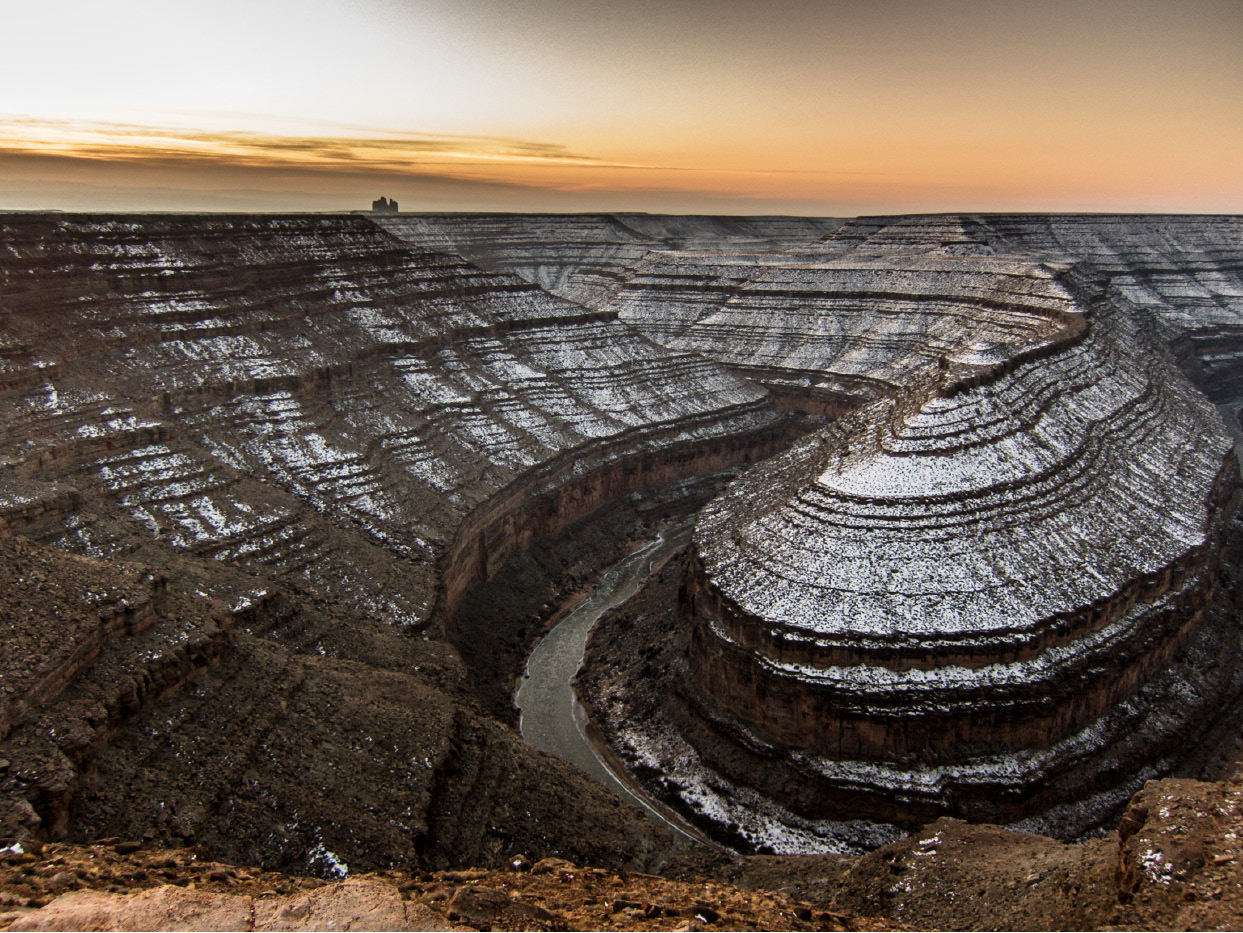
Research interests: the geologic history of climate and life
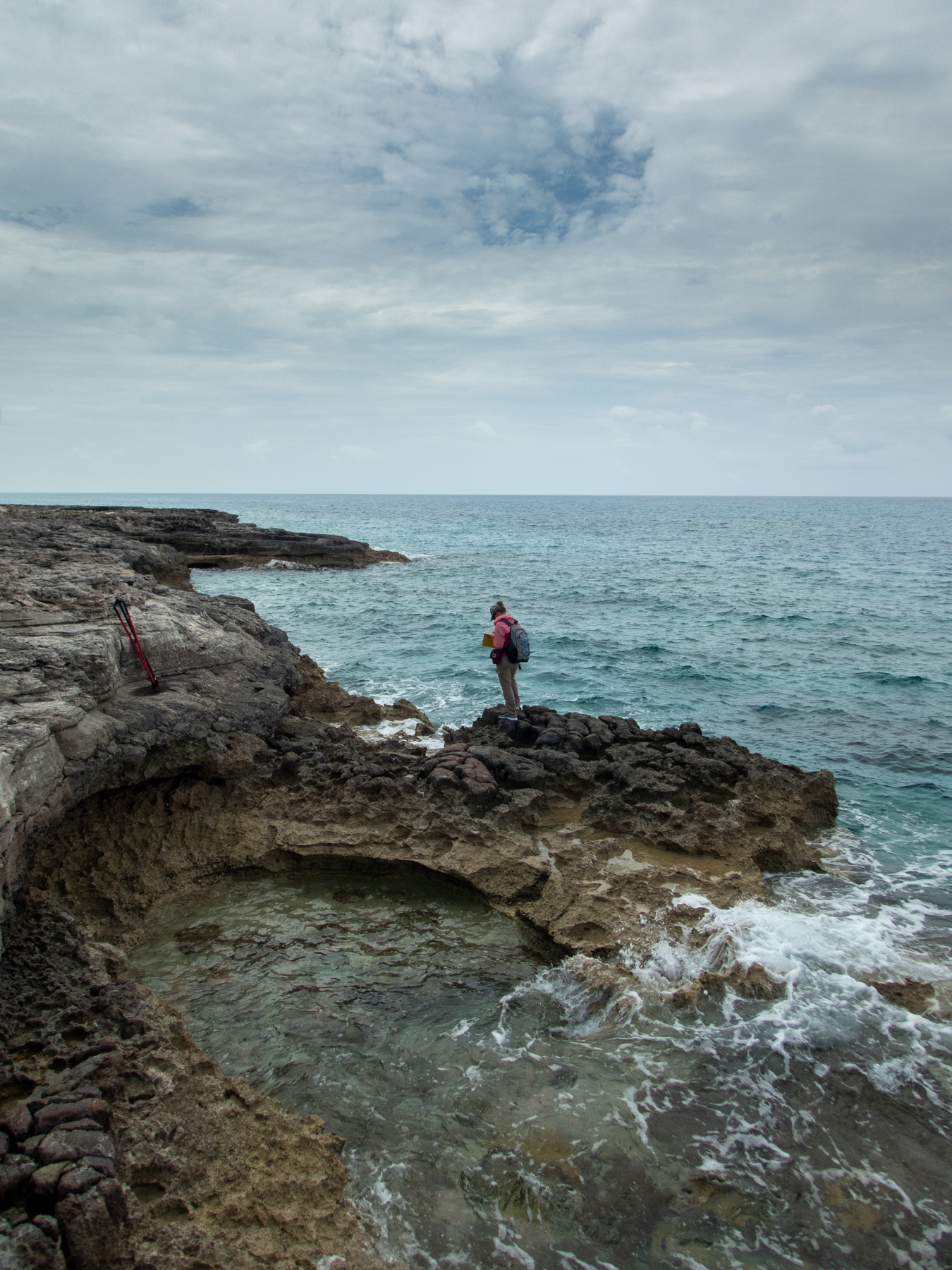
Research interests: the geologic history of climate and life
Who are you?
Some optional prompts:
- Name
- Why are you here?
- What program are you in and/or why?
- What do you hope to learn in EOS 240?
- What challenges do you anticipate?
Geochemistry: a toolset for investigating Earth systems
- How and when did the Earth form?
- What about the continents?
- When did life on Earth begin?
- How has climate changed in the past?
- Where should we look for habitable planets?
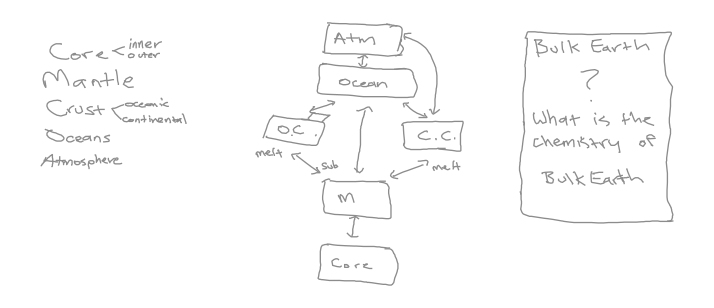
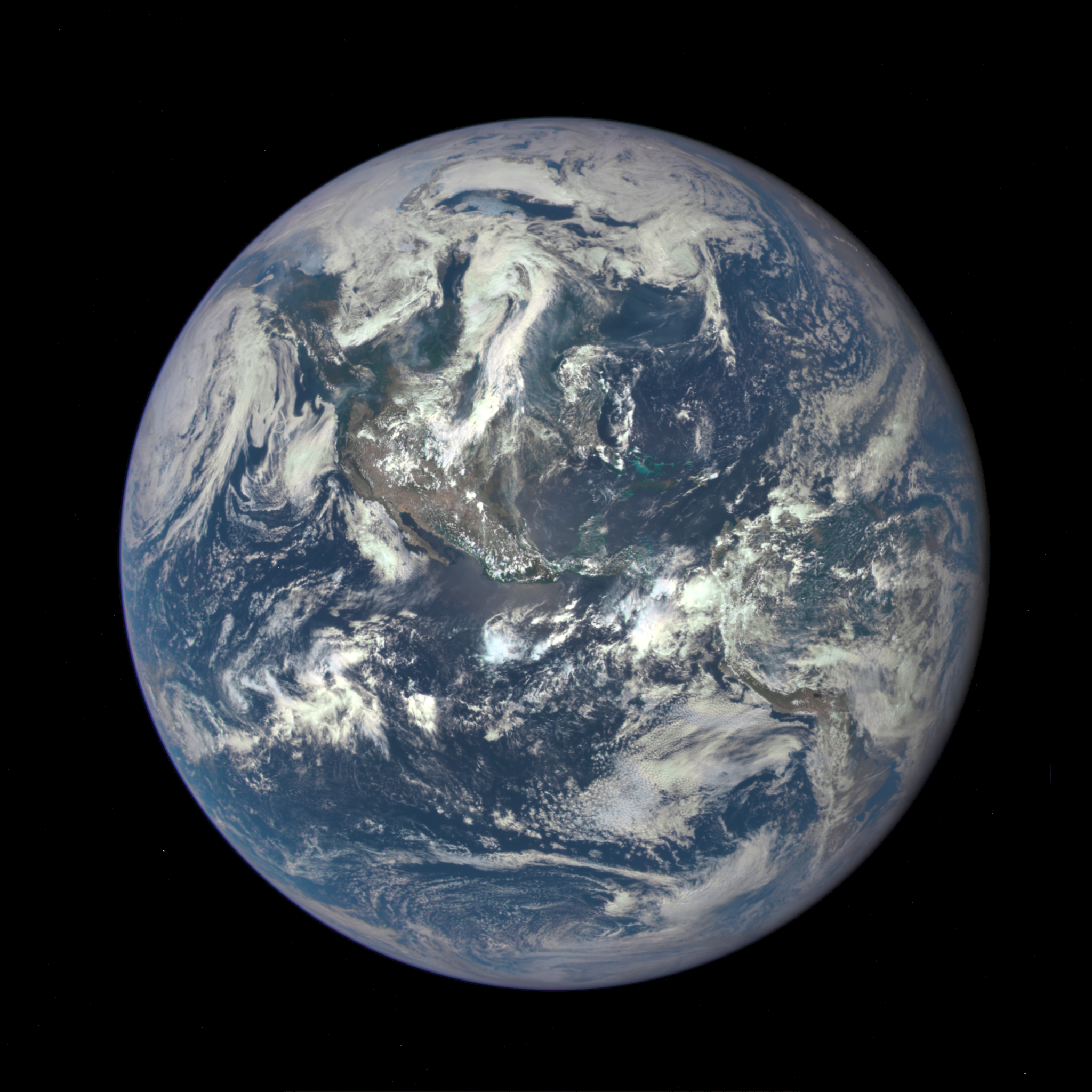
Schematic of Earth.
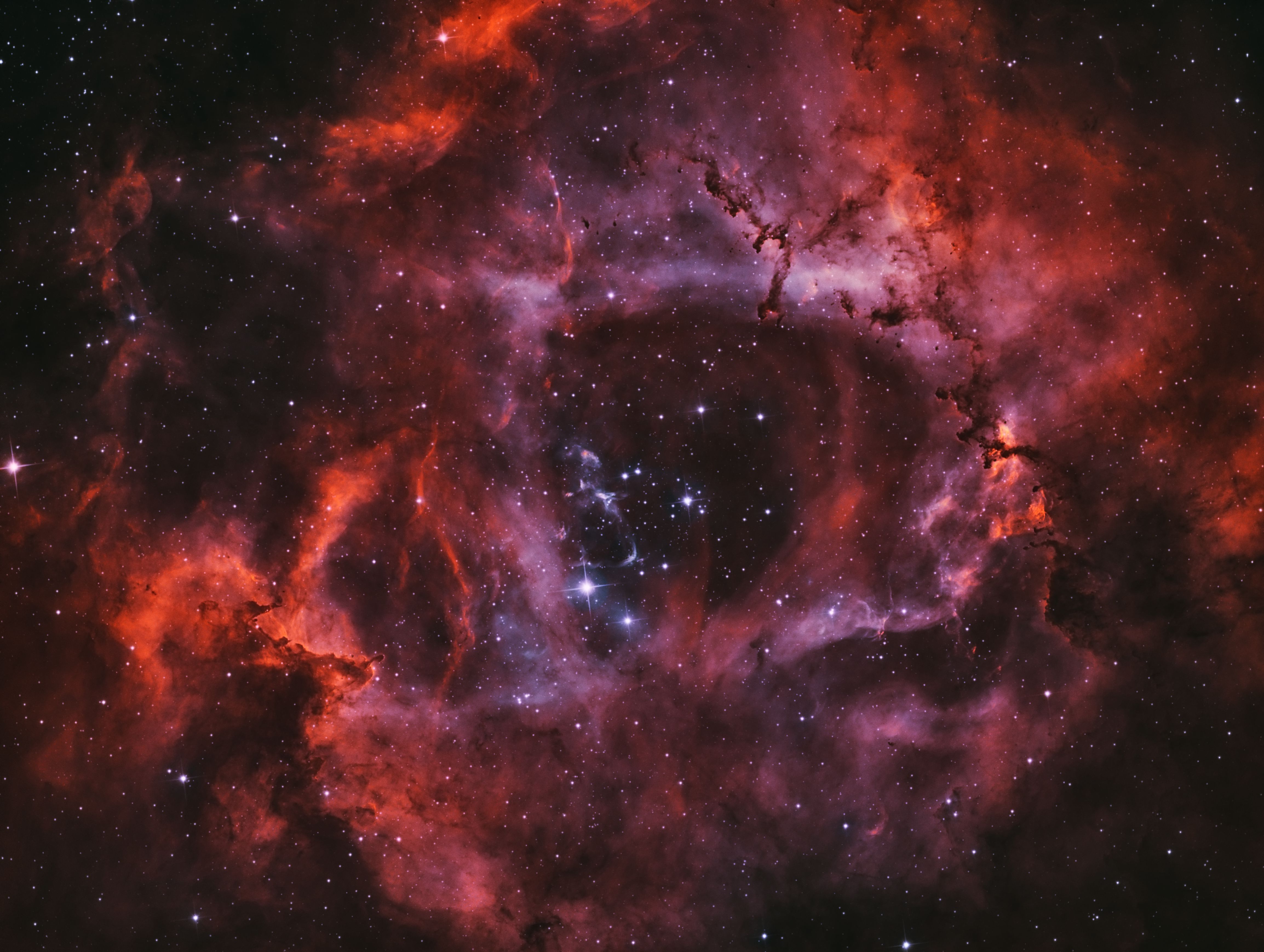
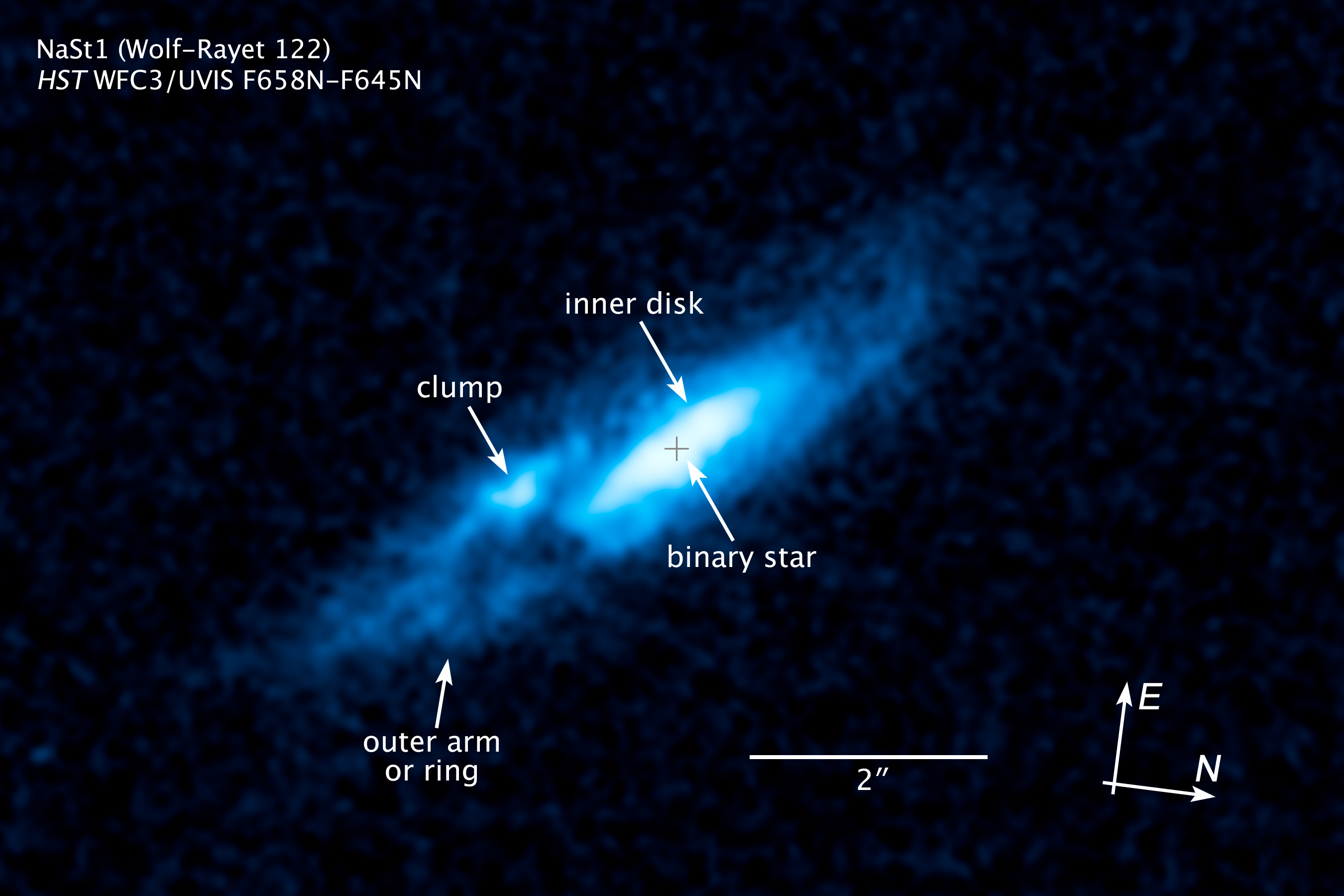
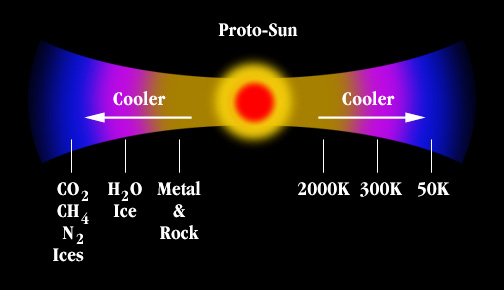
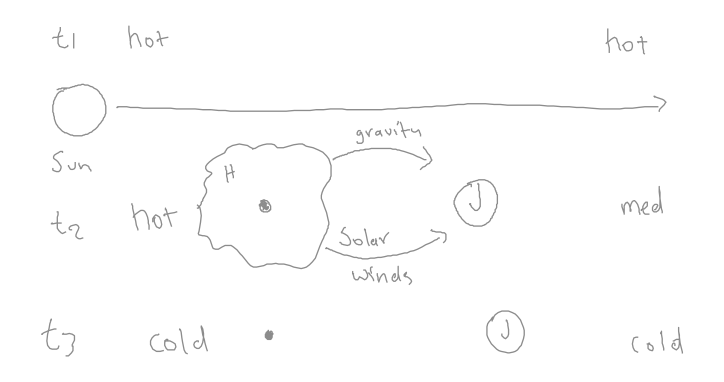
The hot disk begins to emit radiation to space, rapidly cools, and a temperature gradient develops.
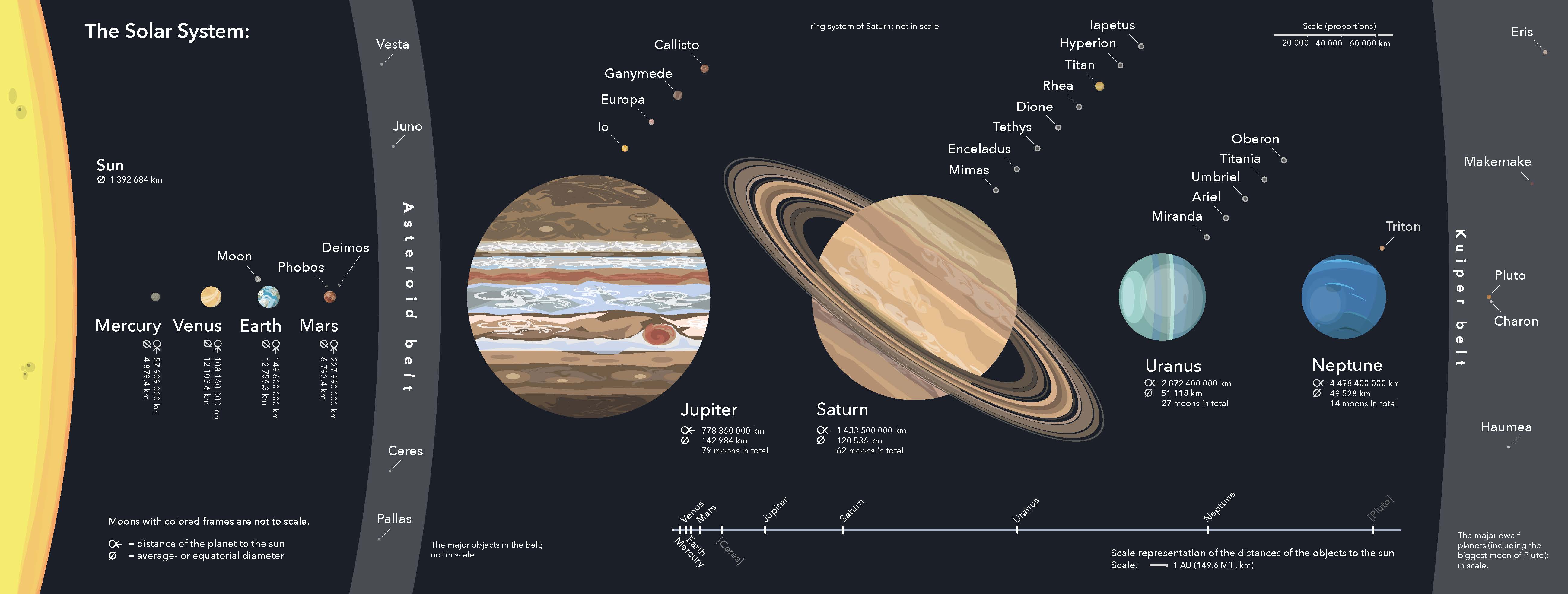
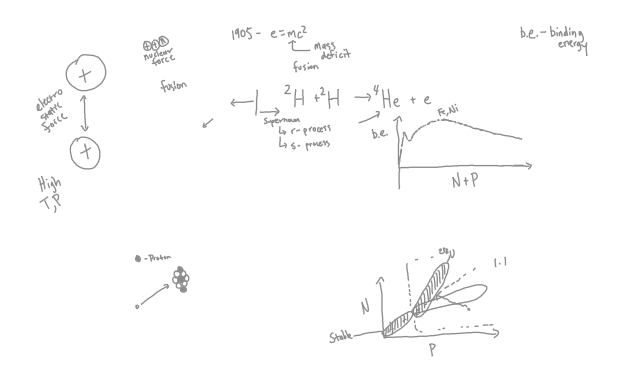
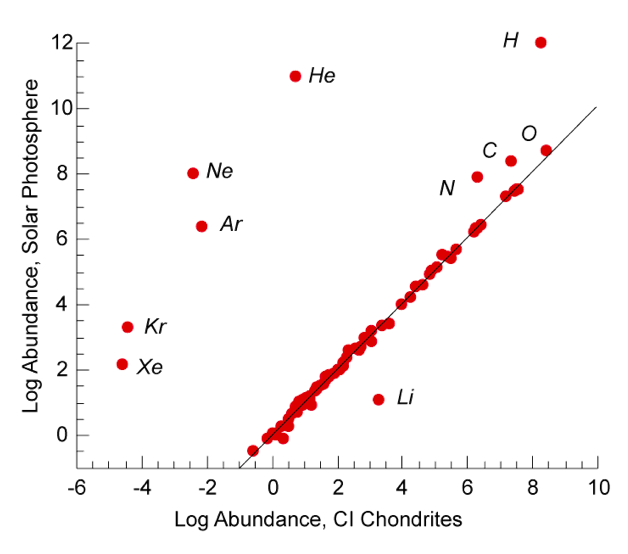
Planetary Formation
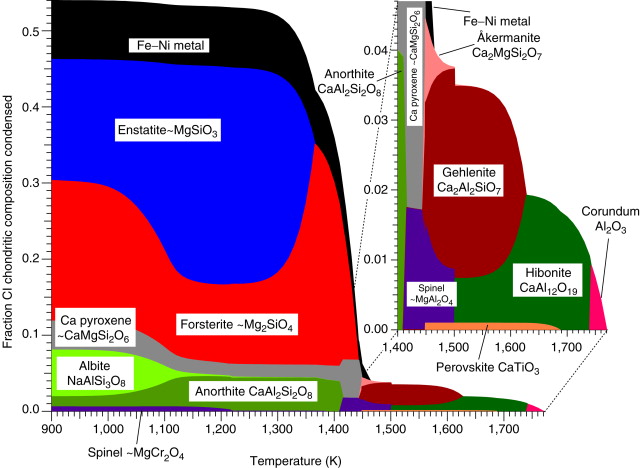
Condensation sequence calculations
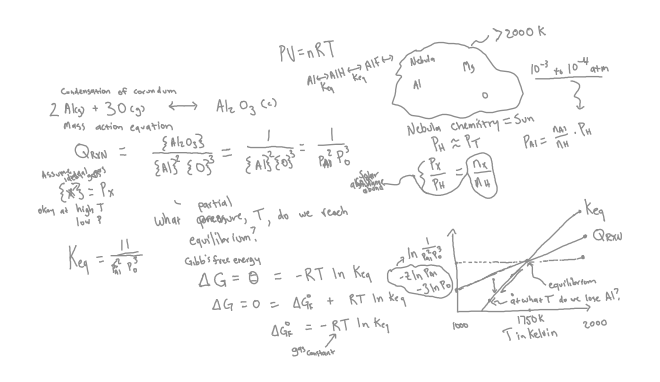
Condensation sequence calculations
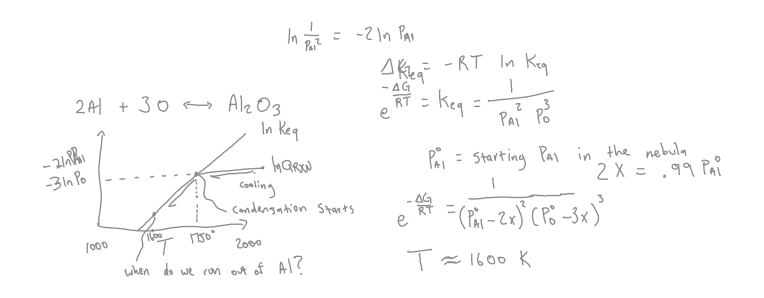
Practice Problem: Condensation of Corundum from the Solar Nebula
Q1: Calculate the temperature that Corundum (Al$_2$O$_3$) begins condensing from the solar nebula using the following values (assume no other reactions):
$$ \mathrm{2Al + 3O \leftrightarrow Al_2O_3} $$- Solar abundance (atoms) of Al: 8.51 x 10$^4$
- Solar abundance (atoms) of O: 2.36 x 10$^7$
- Solar abundance (atoms) of H: 2.6 x 10$^{10}$
- Pressure in the nebula: 10$^{-3}$ atm
- Gas constant (R): 8.314 J/mol K
- $\Delta$G$^\circ$ (standard free energy of reaction) for condensation of Al$_2$O$_3$: -1.23 x 10$^6$ J/mol
Q2: At what temperature will this reaction finish condensing all of the Aluminum in the nebula?
from IPython.display import HTML

HTML(
    """
<center>
<div align="middle;height:10vh;">
<video width="60%" controls>
      <source src="videos/planet_formation.mp4" type="video/webm">
</video></div></center>"""
)
Define Goldschmidt classification.
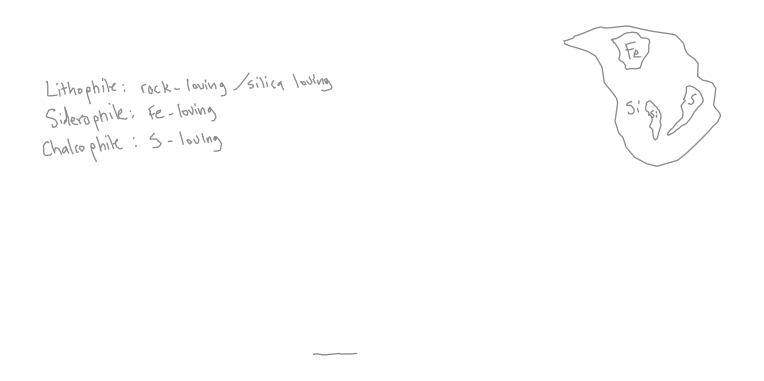
Define Goldschmidt classification.
Define Primitive Mantle. What do we know about the modern mantle?
Olivine Solid Solution Phase Diagram.
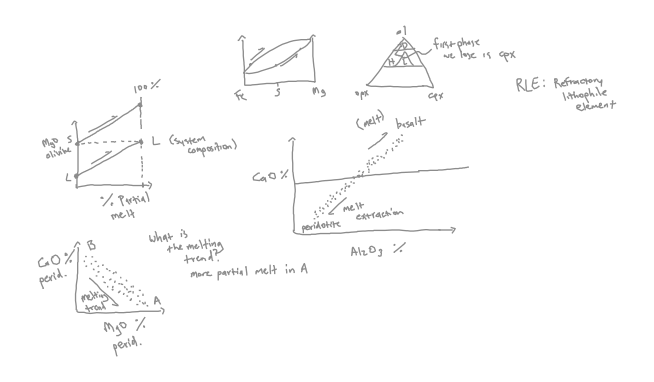
Melting trends.
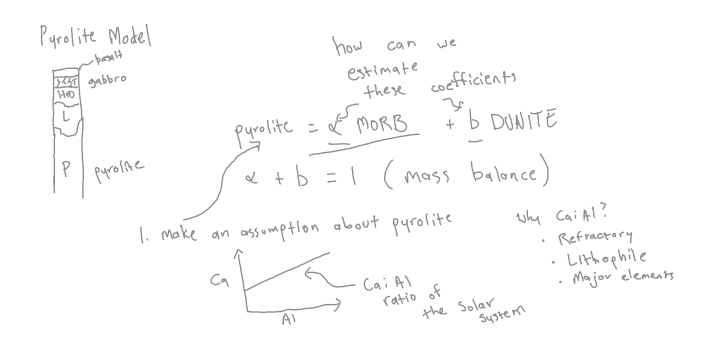
Pyrolite Model: Ringwood, A.E., 1962. A model for the upper mantle. Journal of Geophysical Research.
Chondrites
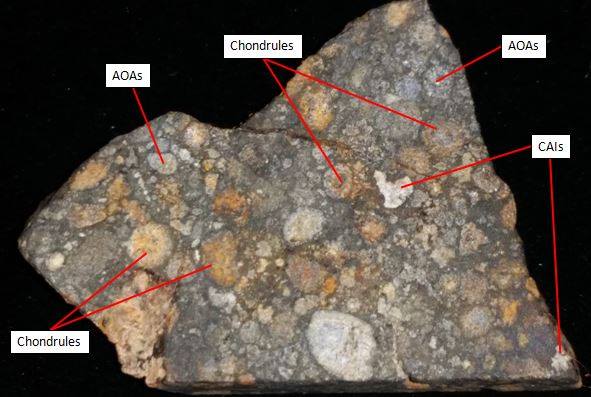
Chondrules: molten 'droplets' of nebular dust
AOAs: Ameboidal Olivine Aggregates ~100% olivine
CAIs: Calcium Aluminum Inclusions are the first condensates
Mineralogy of Chondrite phases
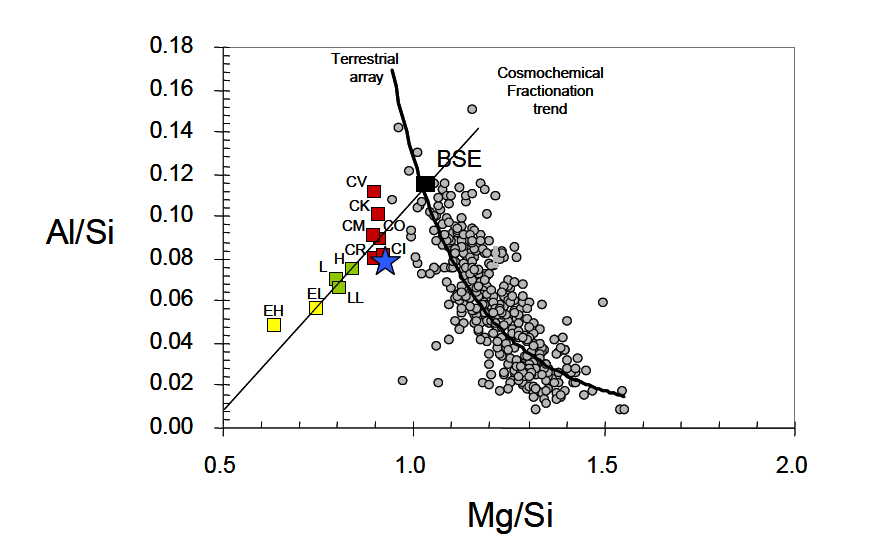
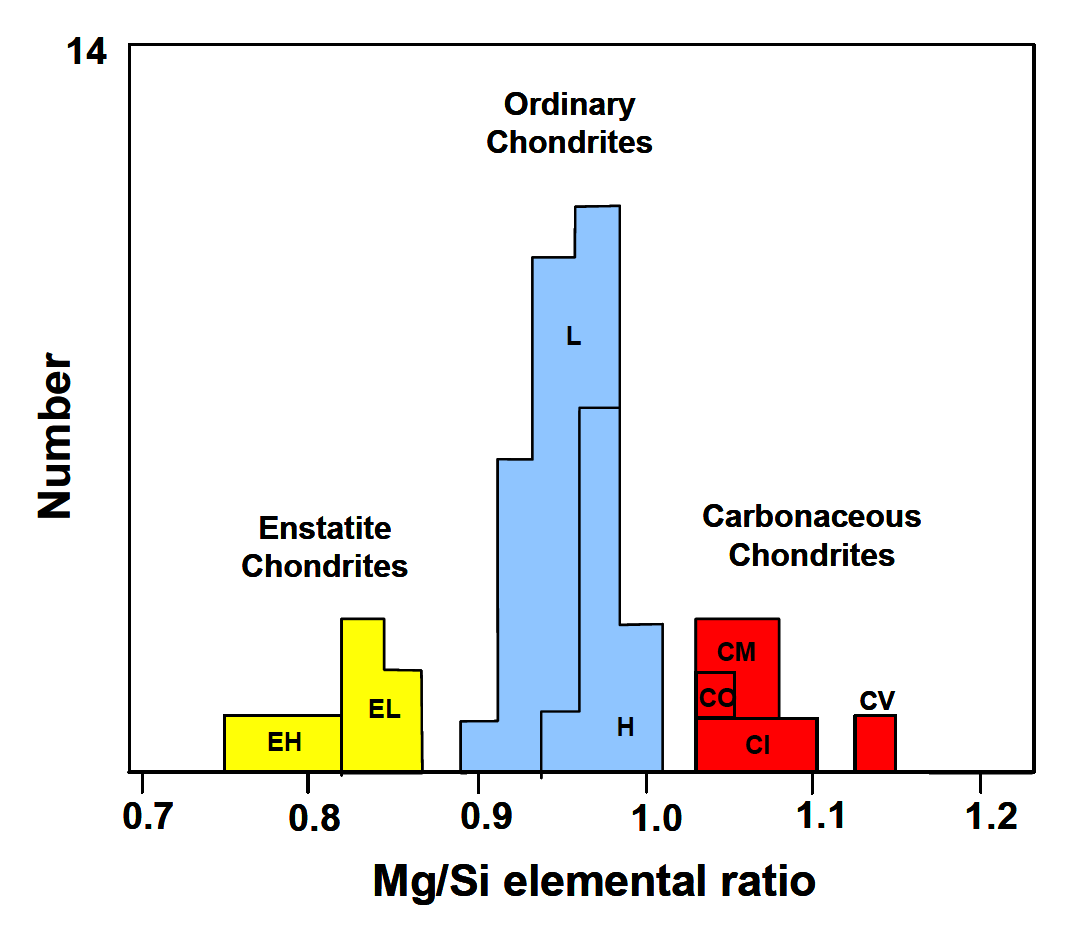
Chondrites have variable composition
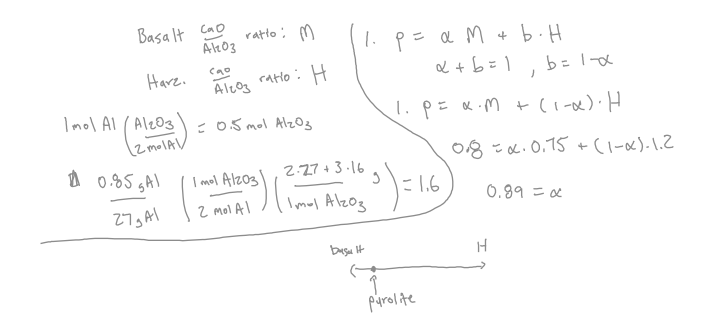
Practice problem
The observed chondritic mass abundances for Calcium and Aluminum are:
| Element | wt % in Chondrite | Atomic Mass |
|---|---|---|
| Ca | 0.92 | 40.1 |
| Al | 0.85 | 27 |
The average wt % of CaO and Al$_2$O$_3$ in Basalt and Harzburgite:
| Oxide | wt % in Basalt | wt % in Harzburgite |
|---|---|---|
| CaO | 11.3 | 6.1 |
| Al$_2$O$_3$ | 15.1 | 5.1 |
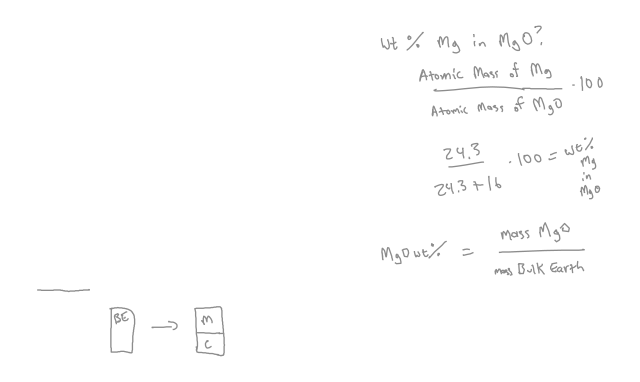
What ratio do you need to mix basalt and harzburgite back together to get the composition of the mantle before melt was removed? Assumptions:
- Pyrolite is a combination of melt (basalt) and melted mantle (harzburgites)
- Earth has the same Refractory Lithophile Elemental (RLE) abundances as Chondrites
Solution.
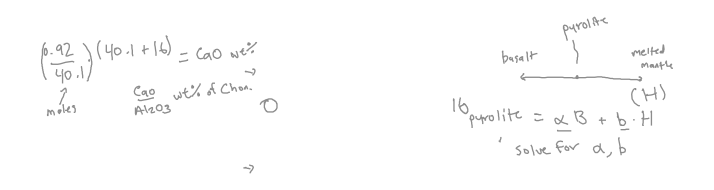
Solution.