Lecture 1: Course introduction
- Introductions
- Who am I?
- Who are you?
- Course structure
- Geochemistry
- What does it mean?
- What can it tell us?
- What are the tools of the trade?
- Making the Earth
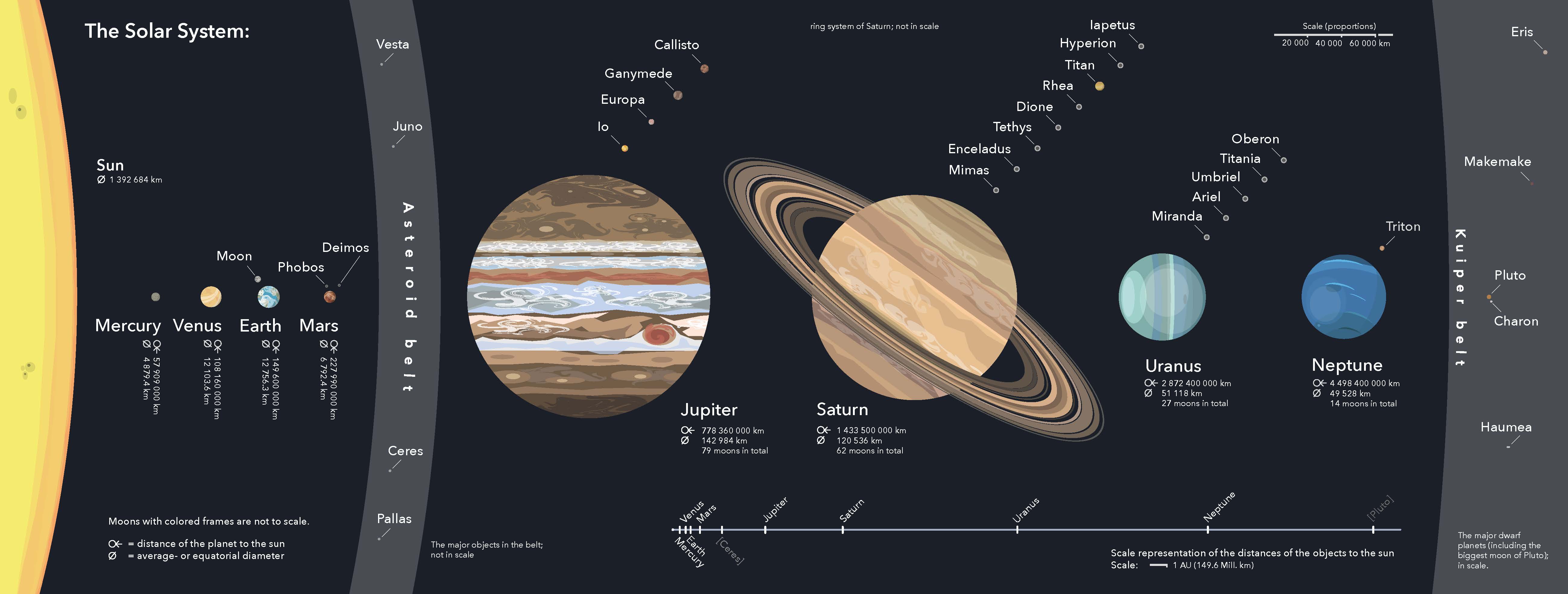
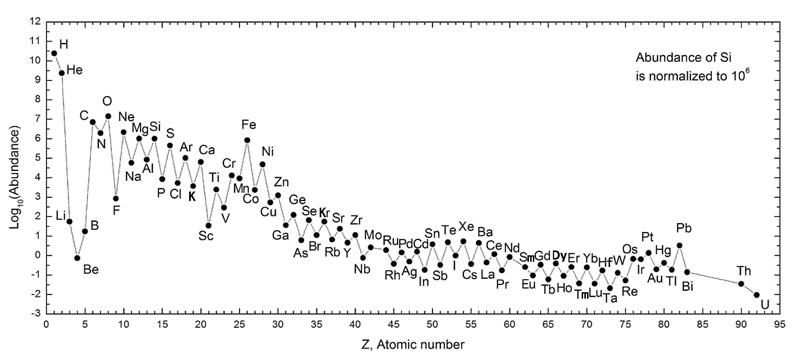
- Chemical composition of the solar system
We acknowledge and respect the lək̓ʷəŋən peoples on whose traditional territory the university stands and the Songhees, Esquimalt and W̱SÁNEĆ peoples whose historical relationships with the land continue to this day.
Who am I?
- Blake Dyer (he/him/his)
- I prefer Blake over Dr. Dyer or Professor Dyer
- Undergraduate at Rice University 2006-2010
- PhD at Princeton University 2010-2015
- Postdoc at LDEO (Columbia University) 2016-2019
- Started in SEOS at UVic in Nov 2019
- Sixth time teaching EOS 240
- Also teach Advanced Sed/Strat, Marine Geology, and The Dynamic Earth
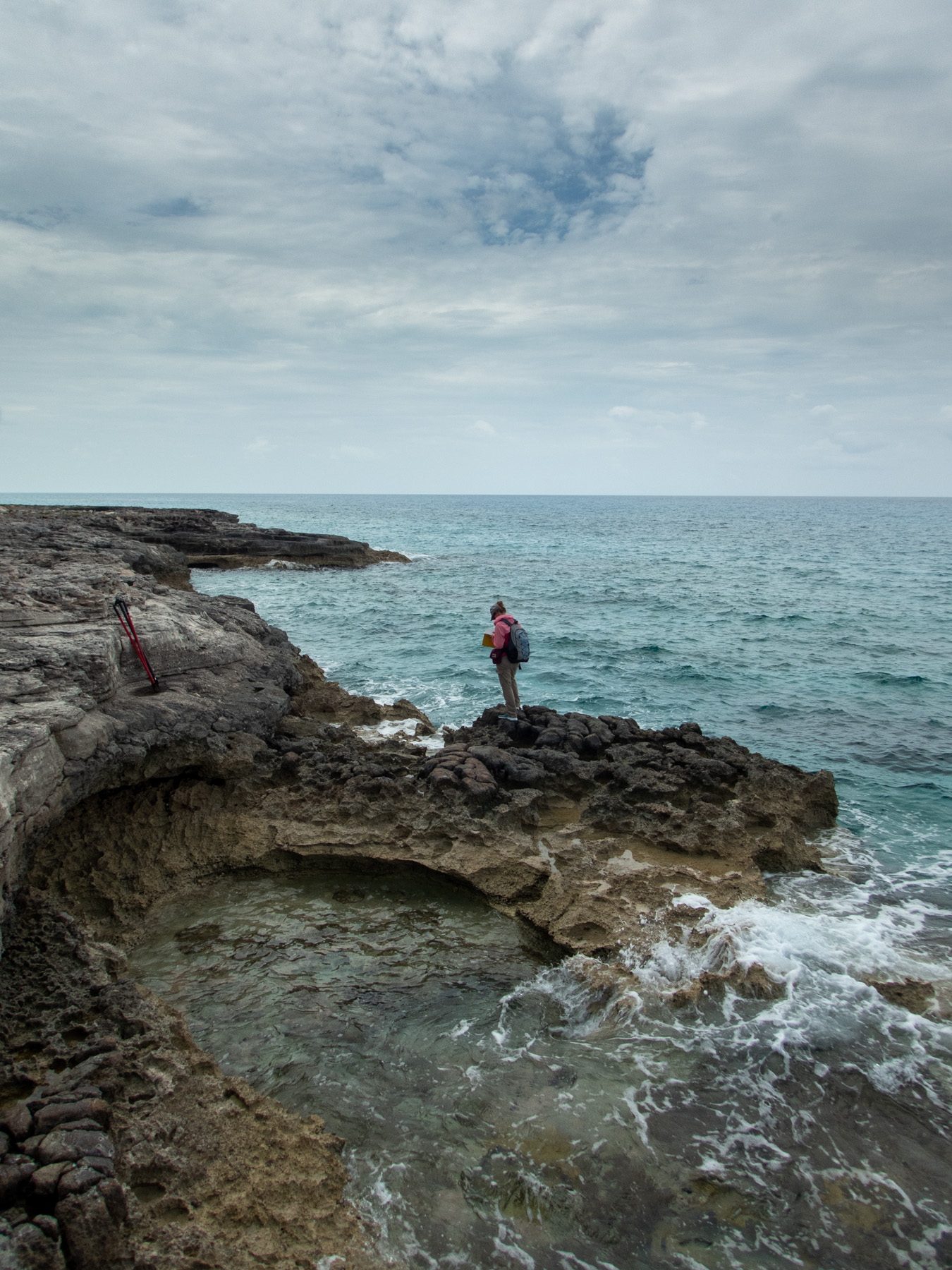
Research interests: the geologic history of climate and life
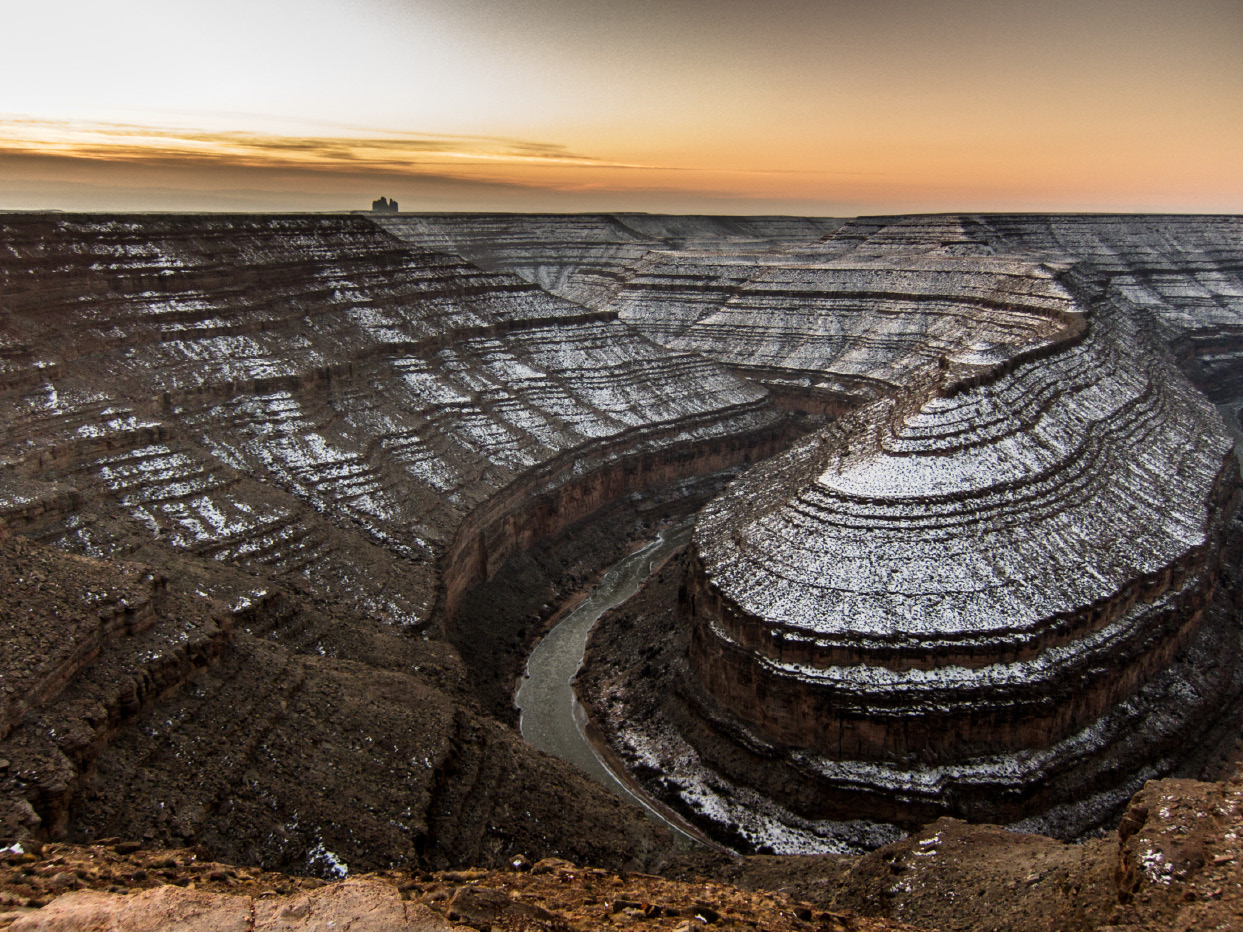
Research interests: the geologic history of climate and life
Who are you?
Some optional prompts:
- Name
- Why are you here?
- What program are you in and/or why?
- What do you hope to learn in EOS 240?
- What challenges do you anticipate?
Course Outline, Brightspace, and Course Webpage
Brightspace: All important announcements, assignments, and grades will be managed through Brightspace.
Course Webpage: Lecture slides and other course materials can be found on the course webpage, updated shortly after each class. There is a link to this page under Course Materials on Brightspace.
Geochemistry: what does it mean?
In geochemistry, we use the tools of chemistry to solve geological problems. In other words, we use chemistry to understand the Earth and how it works.
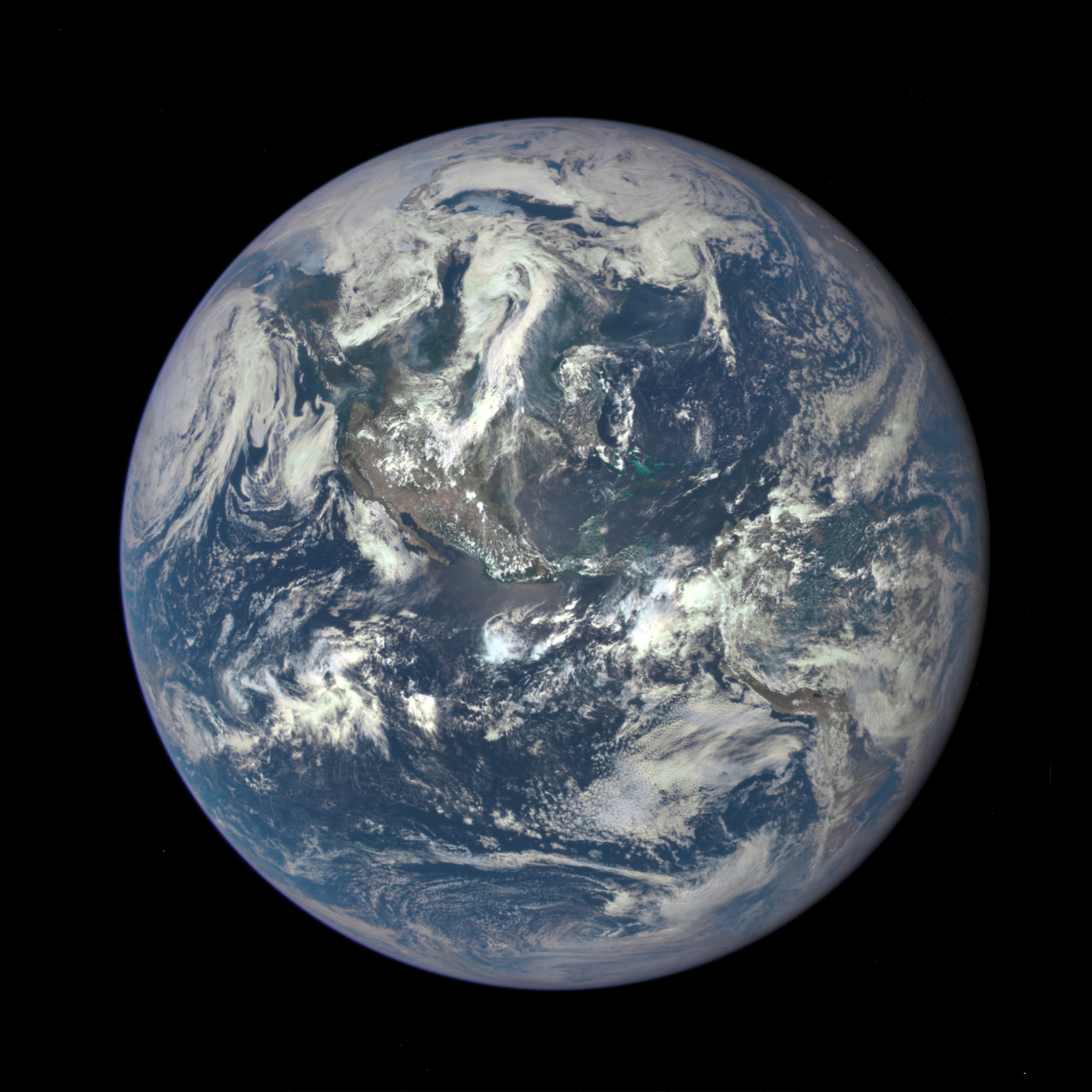
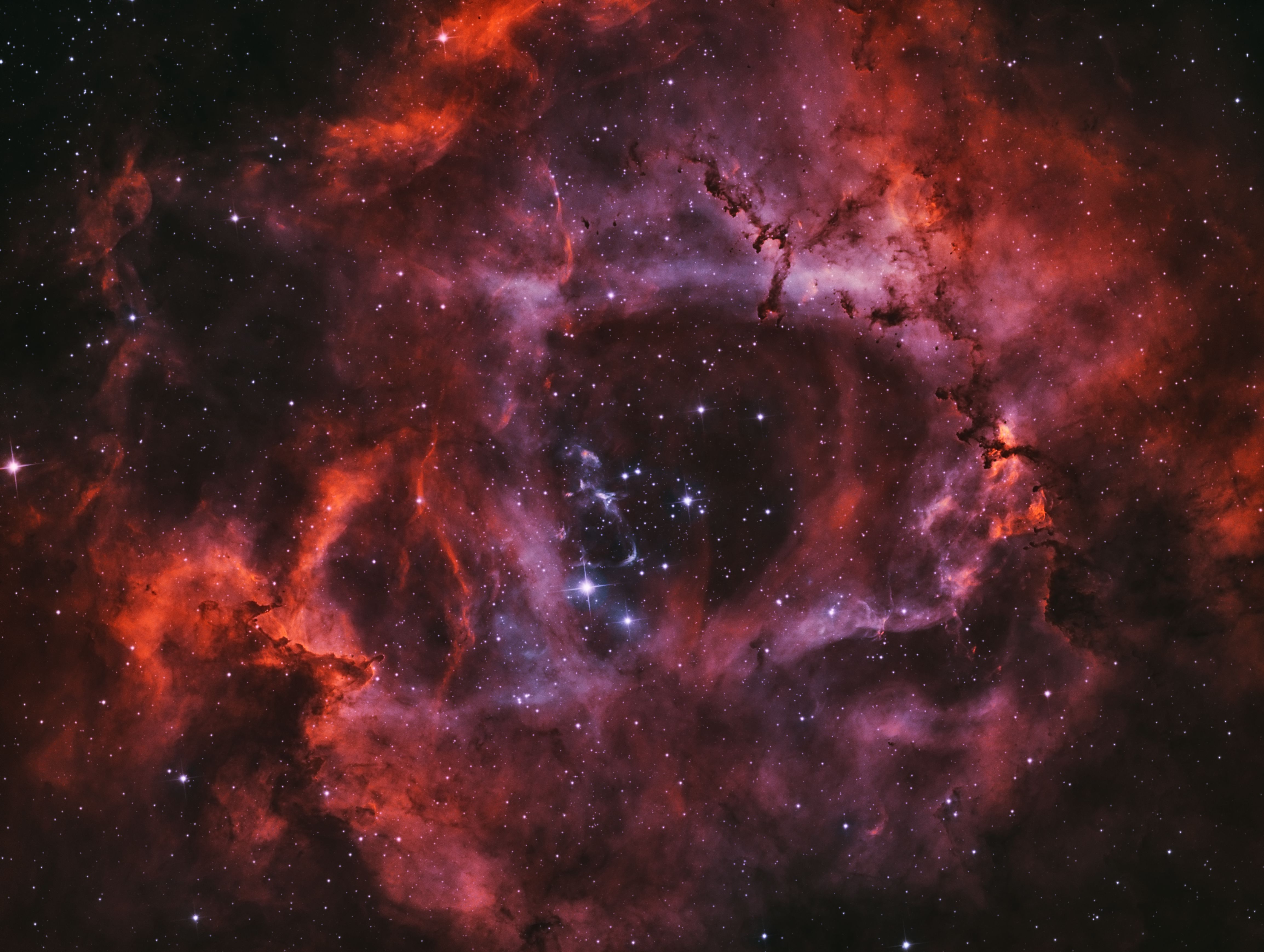
Earth doesn't limit us to just Earth, as understanding the origins and history of Earth means we also study meteorites, stars, other planets, etc.
Geochemistry: what can it tell us?
- quantify the geologic timescale
- depth and temperature of magma chambers
- that sediments are subducted into the mantle
- the temperature and pressure that metamorphic rocks form at, and as one example this knowledge can help determine the displacement along faults
- how fast mountain belts have risen
- how fast mountain belts are eroding
- how and when the crust formed
- how the mantle convects
- how cold the ice ages were and what caused them
- when life began on Earth
- the impact and causes of acid rain, the ozone hole, greenhouse effect, and global warming
- sources and solutions to environmental contamination
Geochemistry: what are the tools of the trade?
- physical tools such as intruments that make chemical measurements
- chemical experiments
- interpretive tools (models) that explain observations
- primarily based in thermodynamics, but can include kinetics, aquatic chemistry, trace element geochemistry, isotope geochemistry
Thermodynamics: why is thermodynamics useful to a geochemist?
- thermodynamics allows us to predict the outcome of chemical reactions under a given set of conditions
- predict the sequence of minerals that will crystallize from a magma
- may seem purely academic except that we can use this predictive power to work backwards: can determine the temperature, pressure, and composition of the magma or water from which minerals crystallized
- allows us to understand how Earth has come to its present condition
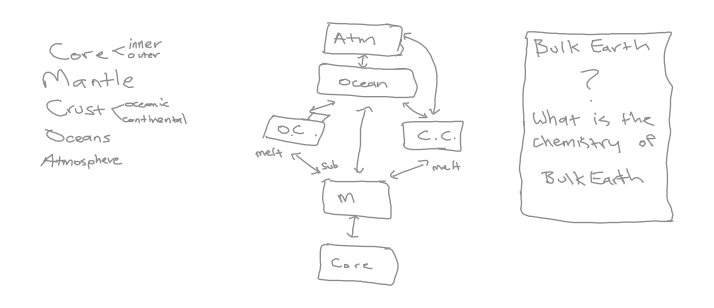
Schematic of Earth.
Schematic of Earth.
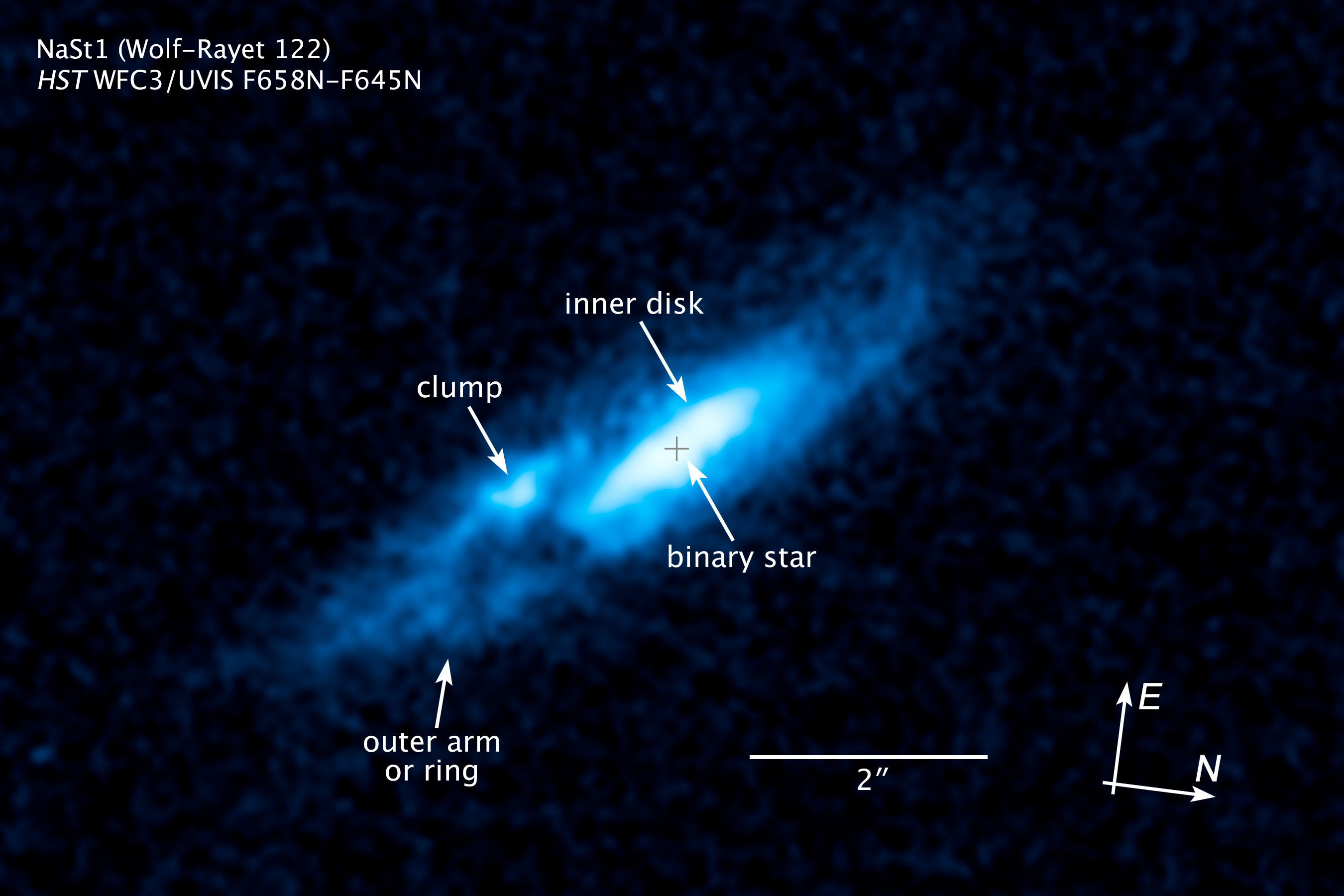
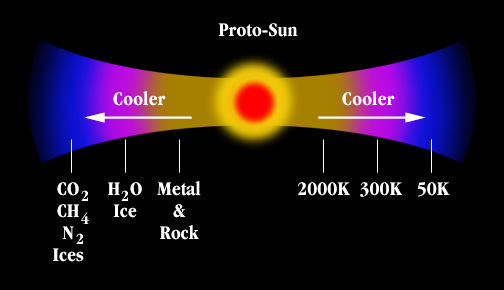
The hot disk begins to emit radiation to space, rapidly cools, and a temperature gradient develops.