Lecture 1: EOS 408 Course Introduction
- introductions
- who am I?
- who are you?
- overview of course outline and assignments
- readings and assignment for next week
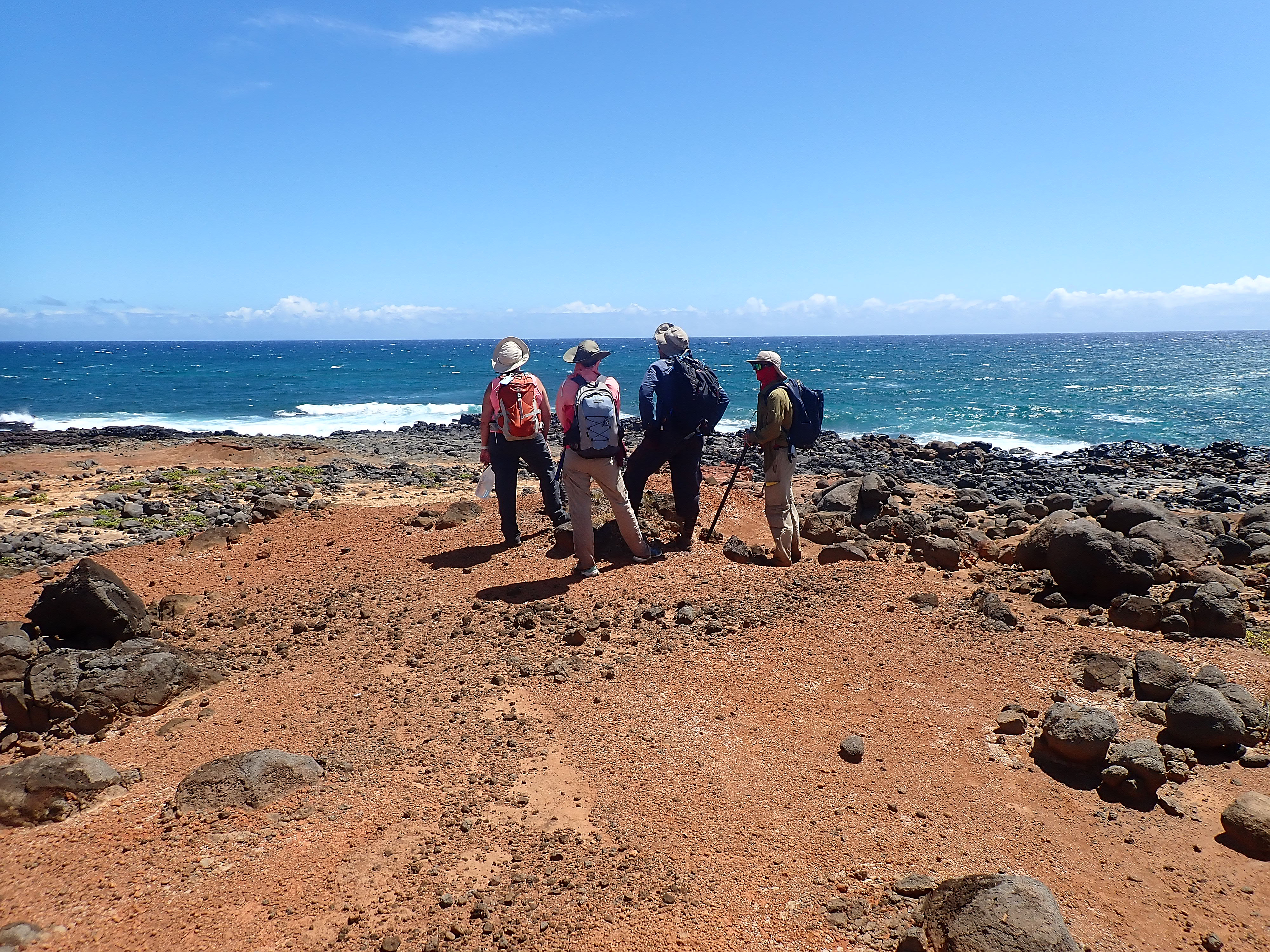
Who am I?
- Blake Dyer (he/him/his)
- I prefer Blake over Dr. Dyer or Professor Dyer
- Undergraduate degree in Earth Sciences at Rice University 2006-2010
- PhD in Geosciences at Princeton University 2010-2015
- Postdoc at LDEO (Columbia University) 2016-2019
- Started in SEOS at UVic in Nov 2019
- Courses: EOS 240 Geochemistry, EOS 120 The Dynamic Earth, EOS 423 Advanced Sedimentology and Stratigraphy, EOS 408 Marine Geology
Research program interests: the geologic history of climate and life
Research program interests: the geologic history of climate and life
Research tools:
- primary field work
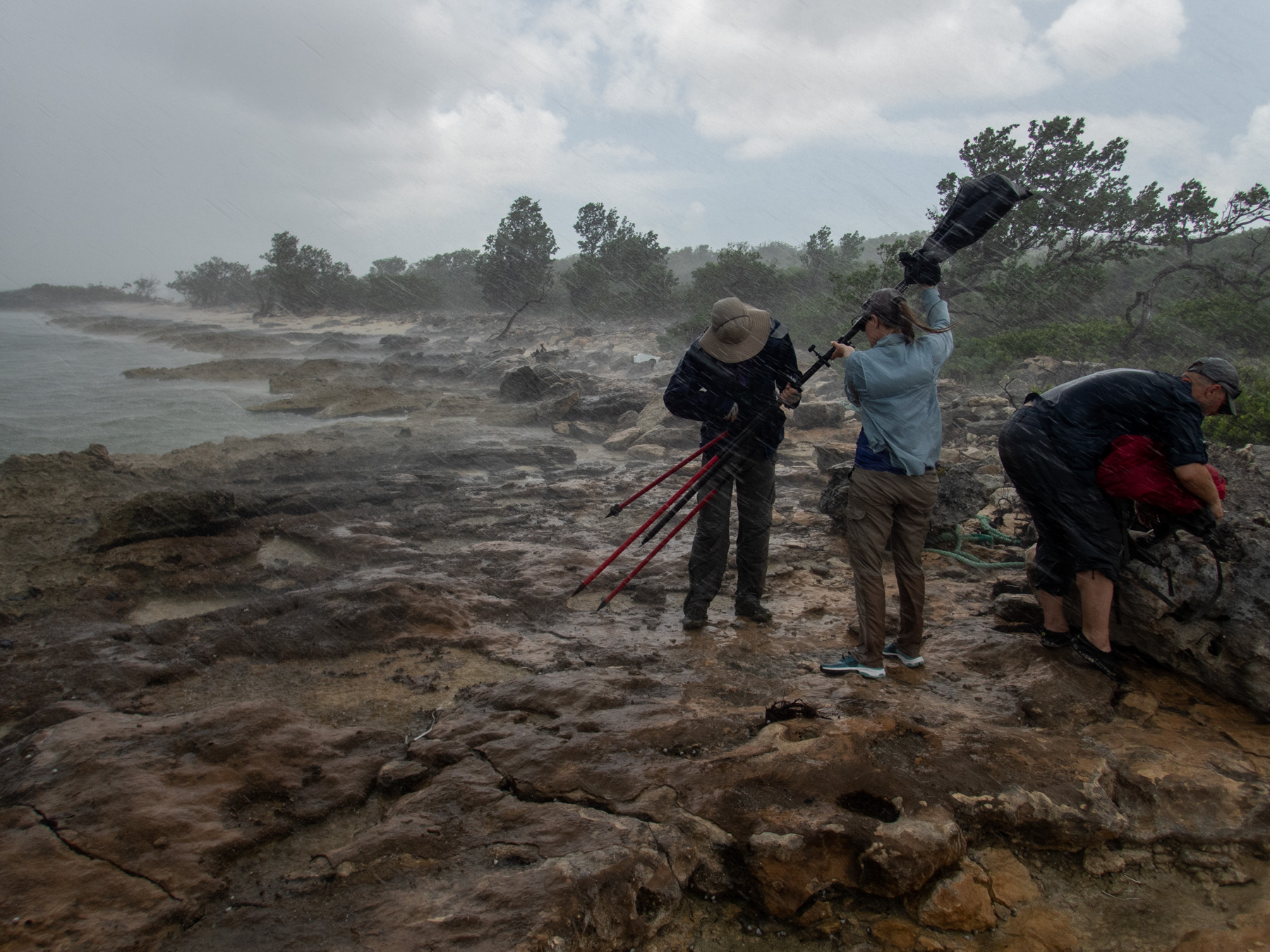
Research tools:
- primary field work
- model building
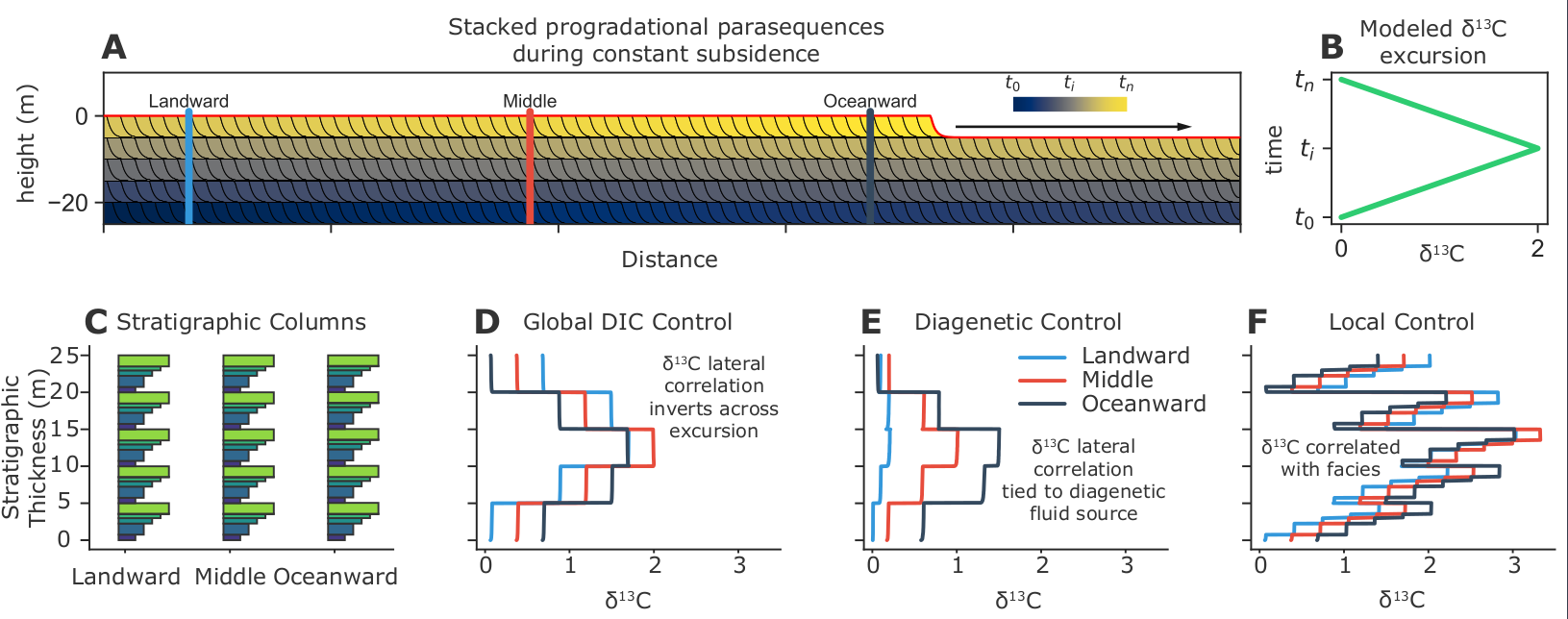
Research tools:
- primary field work
- model building
- model data comparisons (Bayesian statistics)
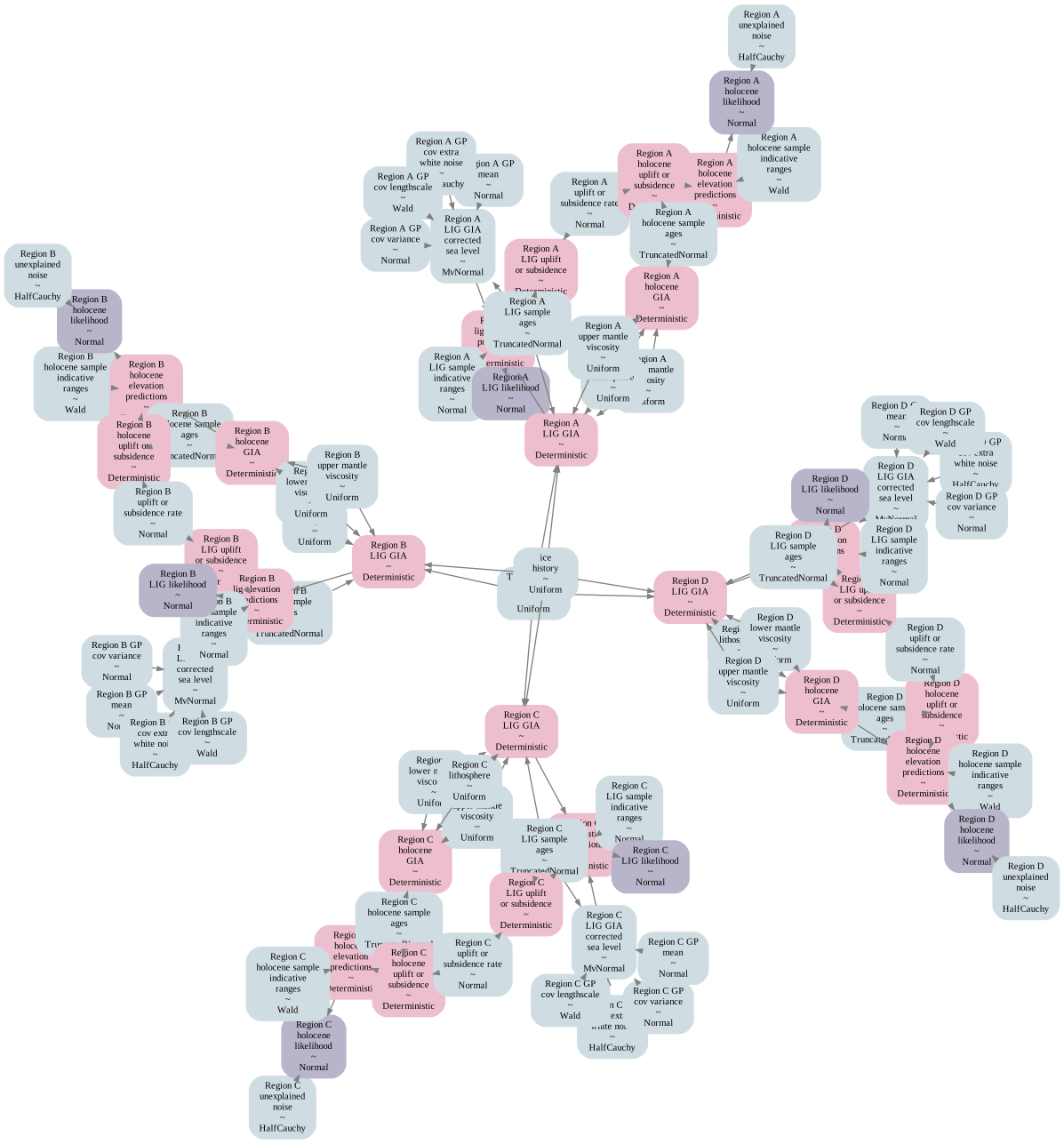
Research tools:
- primary field work
- model building
- model data comparisons (Bayesian statistics)
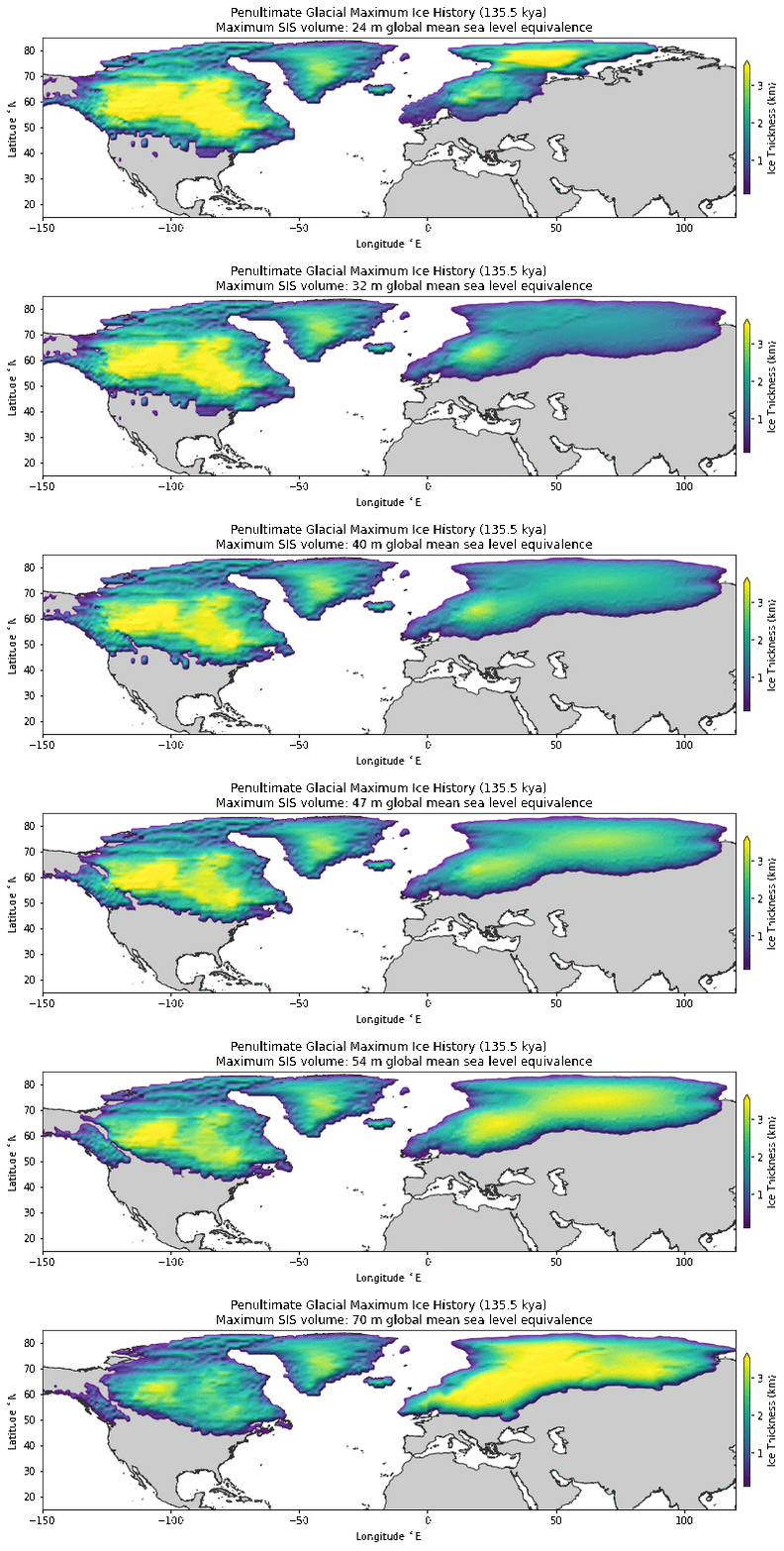
- machine learning
Research tools:
Outside of work
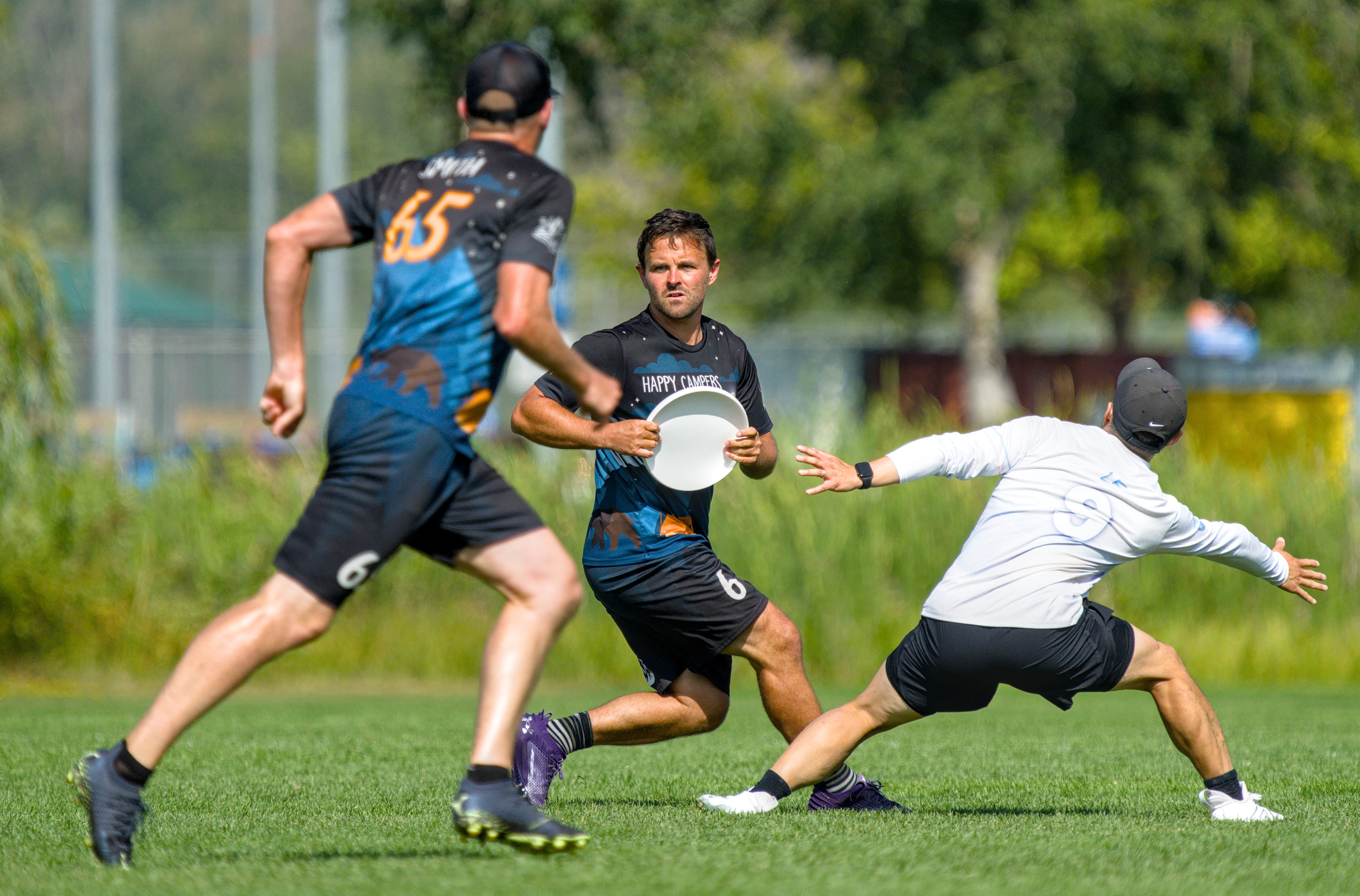
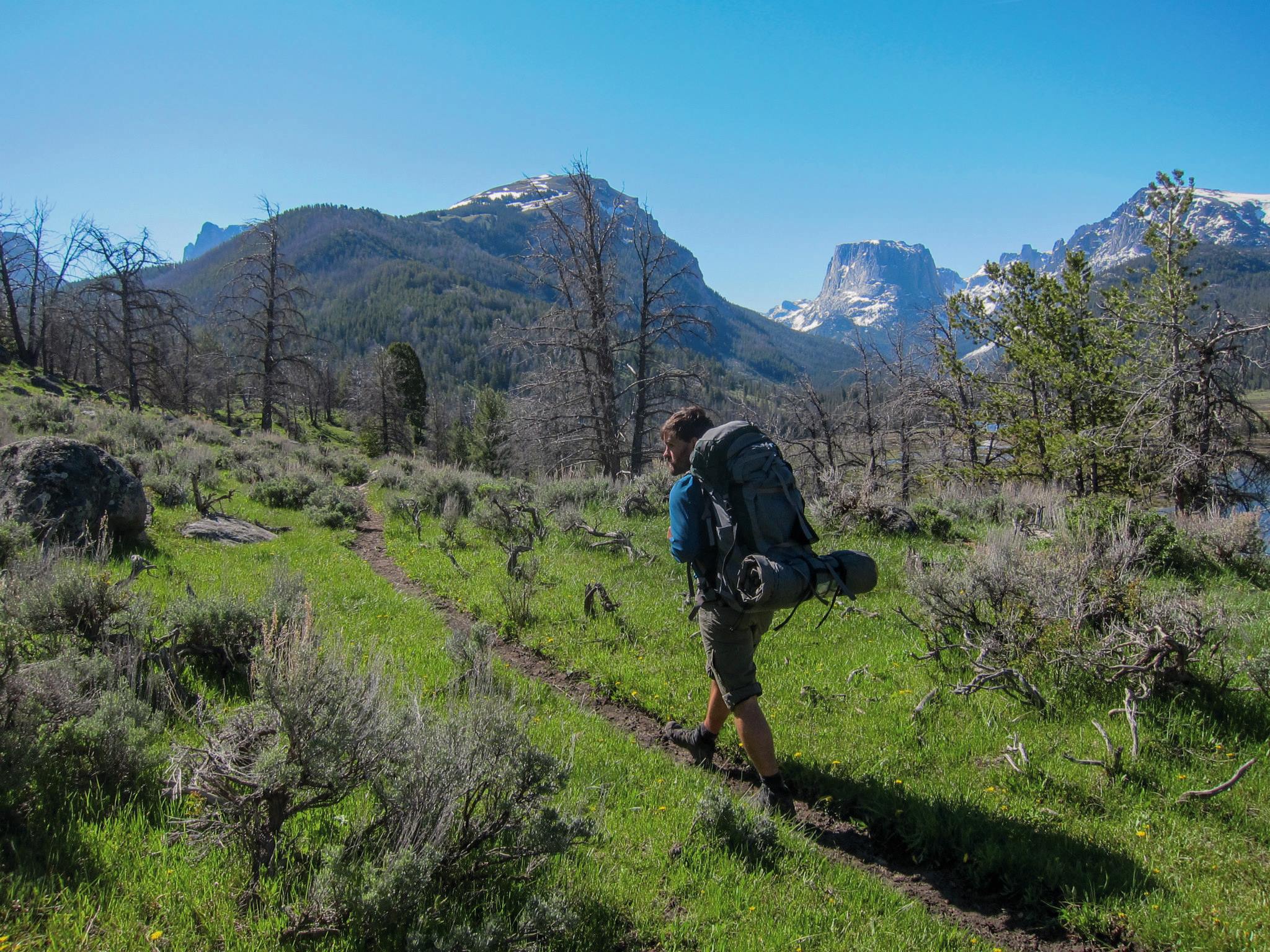
Introductions: who are you
Some optional prompts:
- Name
- Why are you here?
- What program are you in and/or why?
- What do you hope to learn in EOS 408?
- What challenges do you anticipate?
- What are you plans after graduation?
- What are your favorite hobbies?
Course outline
Course Materials: There is no required textbook. Readings will be made available through the course website. Students are required to have a computer work on assignments.
Course description and objectives: In this course, we will explore geological processes in a wide range of oceanic environments: mid-ocean ridges, mid-plate volcanoes and hot spots, coastlines, continental margins and abyssal plains. The lectures, readings, and your writing will cover seminal scientific works and recent journal publications. Pre-requisites: EOS 201, EOS 310 or EOS 316.
*If someone does not have one of these pre-reqs, please contact me ASAP!*
Course outline
Course structure: The course will meet twice a week (M/Th) for lectures and workshops. A tentative plan for the entire term is on Brightspace. I will keep that schedule up to date when changes are made.
Course outline
Grading: This course is a science writing course. Clear writing is one of the most important skills in science as it clarifies our own understanding of a topic and provides a pathway to communicate our ideas to others. You will be required to submit writing and revisions to your writing almost every week. Your final grade in this course will largely reflect your ability to demonstrate your understanding of marine geology through your writing.
Course outline
Grading: This course is a science writing course. Clear writing is one of the most important skills in science as it clarifies our own understanding of a topic and provides a pathway to communicate our ideas to others. You will be required to submit writing and revisions to your writing almost every week. Your final grade in this course will largely reflect your ability to demonstrate your understanding of marine geology through your writing.
Below is a breakdown of the course assessment:
| Participation and contributions to workshops | 10% |
| Review paper outline (Due Oct 06) | 10% |
| Review paper first submission (Due Nov 17) | 10% |
| Peer review letter (Due Nov 24) | 10% |
| Cover letter and final paper submission (Due Dec 04) | 40% |
| In class presentation | 20% |
Course outline
Review Paper: Over the course of this term you will be writing a scientific review paper on a topic of your choosing within the scope of marine geology. The final paper should be between 4000 and 6000 words and must have at least two original figures that you have created by combining data or concepts from your research. You will need to consult with the instructor and select an appropriate topic by Friday, September 22nd. We will be workshopping aspects of your paper and general science writing throughout the term. Your first submission of this review paper will be due on November 17th. Your first submission will be reviewed by one of your peers for critical feedback. This feedback will be relayed back to you through the instructor and you will have the opportunity to respond and incorporate that feedback into your final submission on the last day of class, December 4th.
Course outline
Participation and contributions to workshops This course is at least half workshop-based, so it is especially important for everyone to participate and be heard. You should be honest with your classmates and with the instructor, respectful toward everyone's thoughts and opinions, and compassionate toward your subject matter and the views of your peers. A pattern of showing up to workshops unprepared will result in a zero for this aspect of your final grade. More importantly, the workshops are designed to help you with the other graded aspects of the course, so failure to take advantage of the workshops will make it very tough to succeed in this course.
Course outline
To get the most out of this course, you should:
- be on time and well-prepared for lectures and workshops.
- participate consistently and democratically in class, both by listening attentively and contributing thoughtful comments and questions that build on classmates' responses.
- speak not only to the professor but to other students; work energetically in small group or pair activities; overall, improve the day-to-day quality of the course for everyone.
- write cover letters that reflect thoughtfully and critically of your own writing.
- submit thoughtful and complete pre-workshop assignments and drafts.
- write peer review letters that offer fellow students substantive, constructive feedback.
Course outline
Class Presentation Towards the end of the term, you will give a 12 minute presentation for the class on the topic of your review paper.
Course outline (weeks 1-6)
| Week | Date | Lecture Topic | Readings |
|---|---|---|---|
| 1 | Th Sep 07 | Course introduction | |
| 2 | M Sep 11 | Lecture 1 Sea-floor depth, age, and heat flow | Hess 1962 |
| Th Sep 14 | Workshop 1 Writing for clarity | Plaxco 2010, Hess 1947 | |
| 3 | M Sep 18 | Lecture 2 Plumes and other seamounts | to be announced.. |
| Th Sep 21 | Workshop 2 Discussing science | ||
| F Sep 22 | Review paper topic due 11:59 PM | ||
| 4 | M Sep 25 | Lecture 3 Magnetization of the sea-floor | |
| Th Sep 28 | Workshop 3 Referencing original material | ||
| 5 | M Oct 02 | National Day for Truth and Reconciliation | |
| Th Oct 05 | Lecture 4 Tectonics | ||
| F Oct 06 | Review paper outlines due 11:59 PM | ||
| 6 | M Oct 09 | Thanksgiving Day | |
| Th Oct 12 | Workshop 4 Outline of review paper |
Course outline (weeks 7-14)
| Week | Date | Lecture Topic | Readings |
|---|---|---|---|
| 7 | M Oct 16 | Lecture 5 Pelagic sediments | |
| Th Oct 19 | Workshop 5 Peer review examples and practice | ||
| 8 | M Oct 23 | Lecture 6 Coral reefs past and present | |
| Th Oct 26 | Workshop 6 Your review paper introductions | ||
| 9 | M Oct 30 | Lecture 7 Coastlines | |
| Th Nov 02 | Workshop 7 Your review paper figures | ||
| 10 | M Nov 06 | Lecture 8 Chemical exchange between seafloor and seawater | |
| Th Nov 09 | Workshop 8 Your review paper main text | ||
| 11 | M Nov 13 | Remembrance Day, Reading Break | |
| Th Nov 16 | Workshop 9 Your review paper conclusions | ||
| F Nov 17 | Review paper due 11:59 PM | ||
| 12 | M Nov 20 | Workshop 10 Peer review | |
| Th Nov 23 | Student Presentations 1 | ||
| F Nov 24 | Peer review due 11:59 PM | ||
| 13 | M Nov 27 | Student Presentations 2 | |
| Th Nov 30 | Student Presentations 3 | ||
| 14 | M Dec 04 | Student Presentations 4 | |
| M Dec 04 | Cover letter and revisions due 11:59 PM |
Next week
- Monday September 11: Lecture 1 Sea-floor depth, age, and heat flow
- read History of Ocean Basins (Hess 1962) before class
- Thursday September 14: Workshop 1 Writing for clarity
- Pre-workshop assignment (due 9 AM before the workshop, submitted to brightspace):
- write an informal summary of Hess 1947 to a peer (informal like an e-mail or pen-pal).
- around 500 words long and use multiple paragraphs.
- Pre-workshop assignment (due 9 AM before the workshop, submitted to brightspace):
- Consider the rules and guidance from The art of writing science (Plaxco 2010) when writing your summary. We will workshop your summaries in small groups in class on September 14.