Lecture 11: Discussion of Hinnov and Goldhammer (1991)
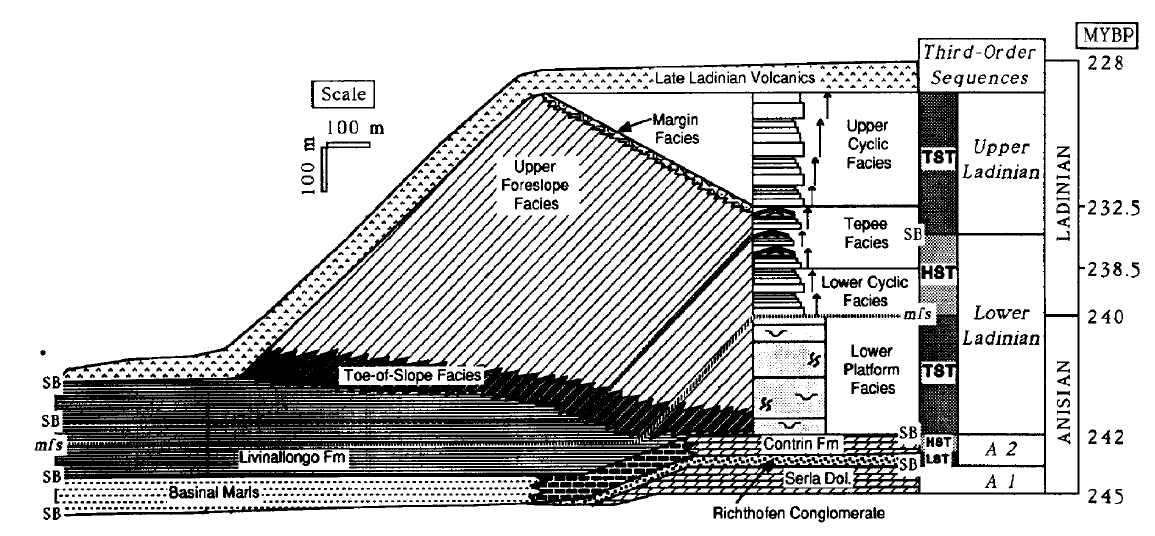
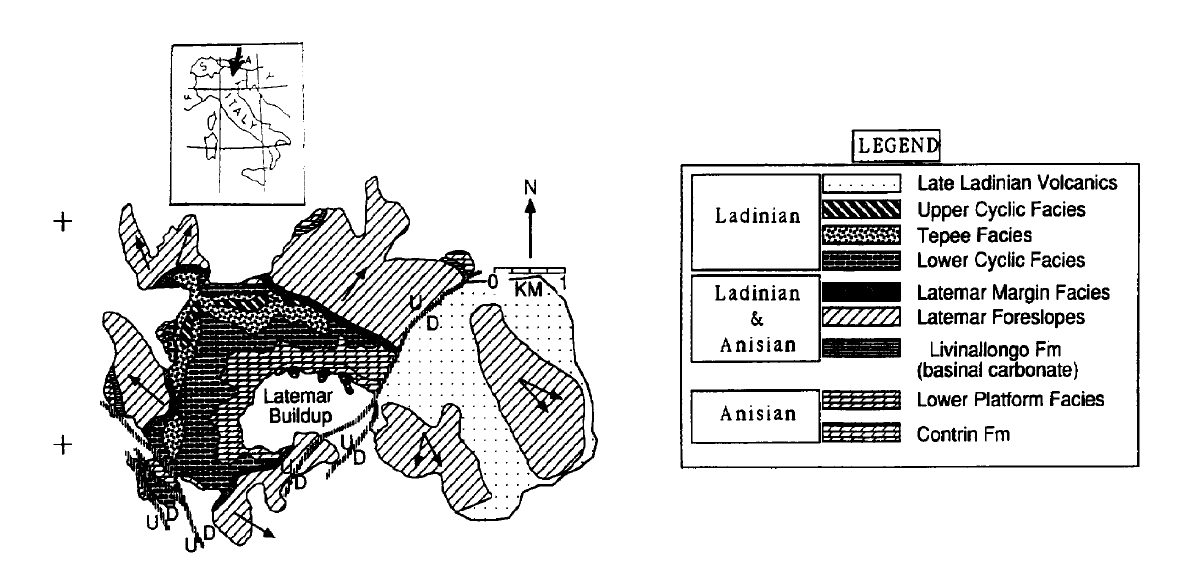
- Geological setting
- Cycles in the Latemar Limestone (space)
- Potential origin of the Latemar cycles (time)
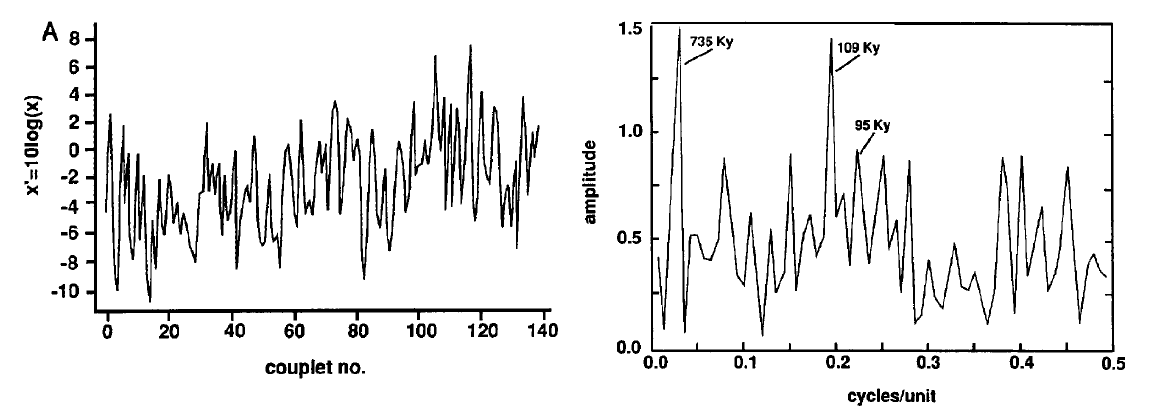
- Testing the hypothesis: the data
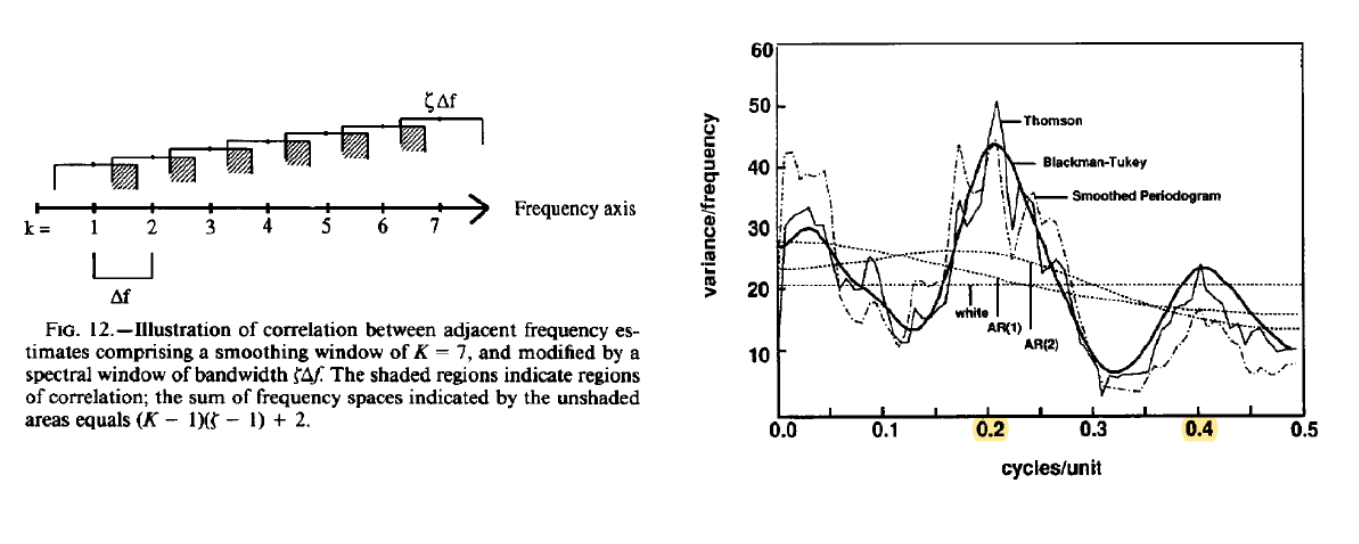
- Testing the hypothesis: the analysis
We acknowledge and respect the lək̓ʷəŋən peoples on whose traditional territory the university stands and the Songhees, Esquimalt and W̱SÁNEĆ peoples whose historical relationships with the land continue to this day.
class
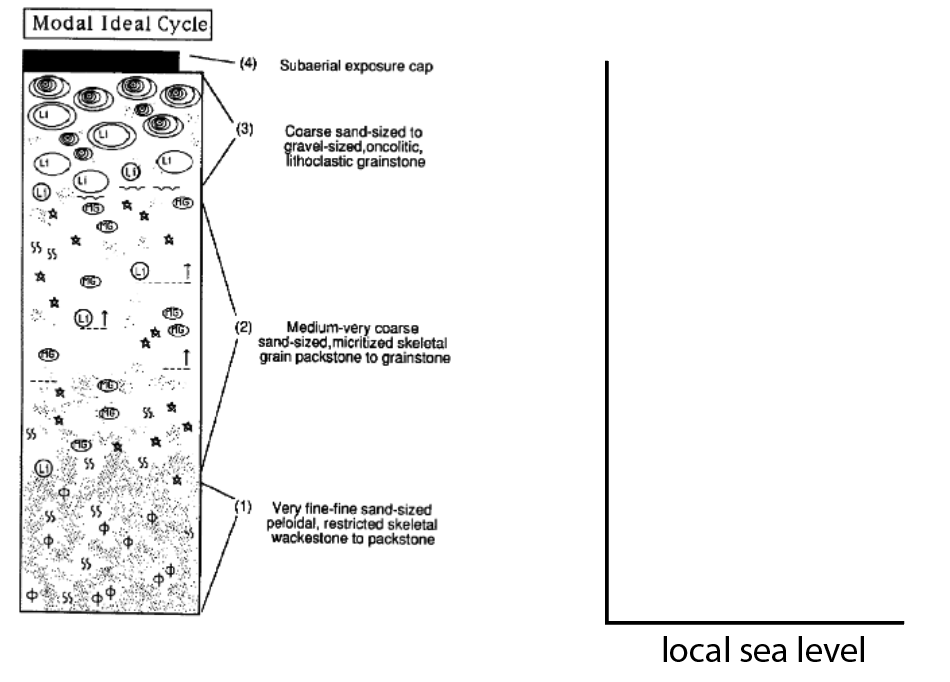
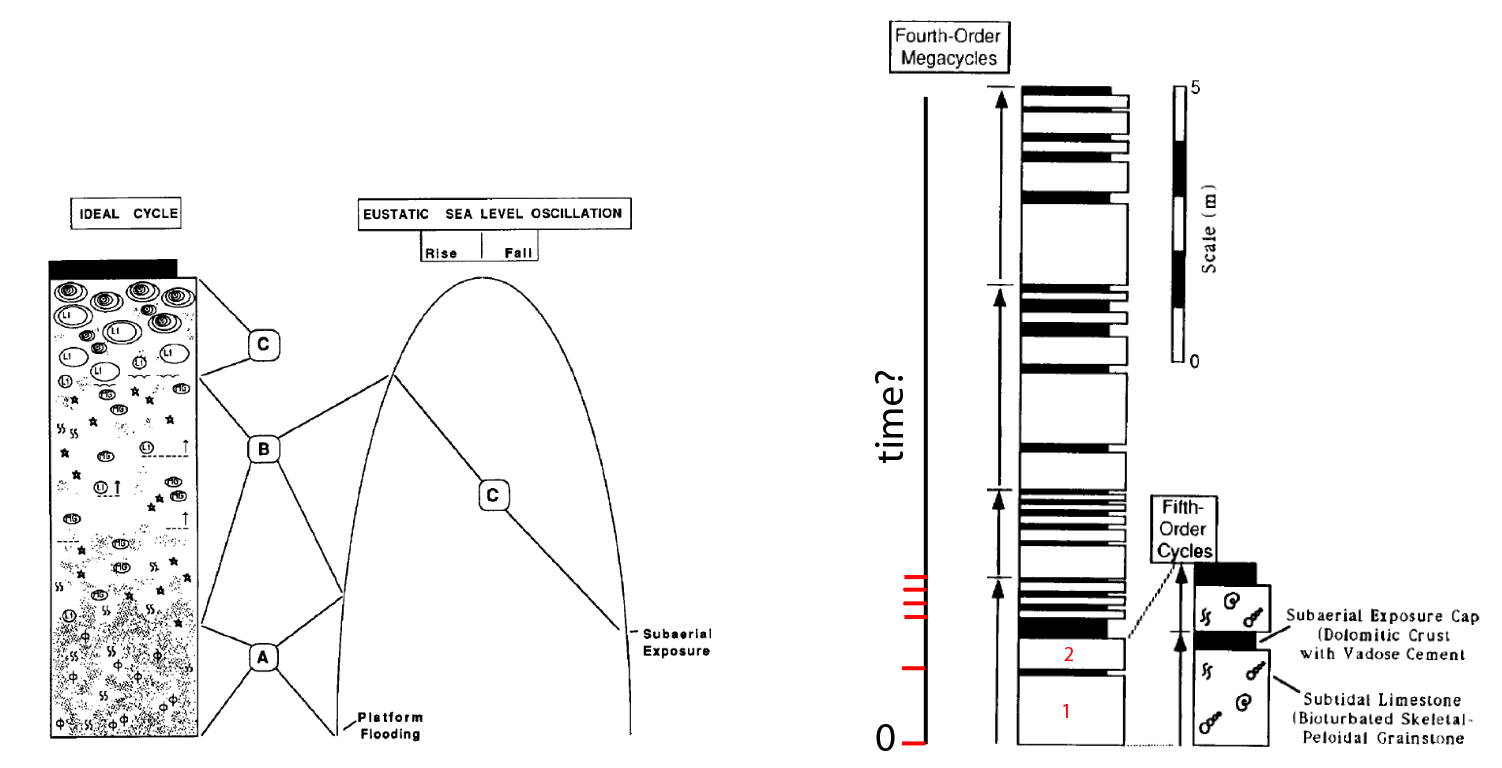
An ideal cycles in the Latemar Limestone
- what do the authors think is happening to sea level during deposition?
- "The absence of features indicating peritidal deposition between the subtidal member and vadose cap is conspicuous throughout the formation."
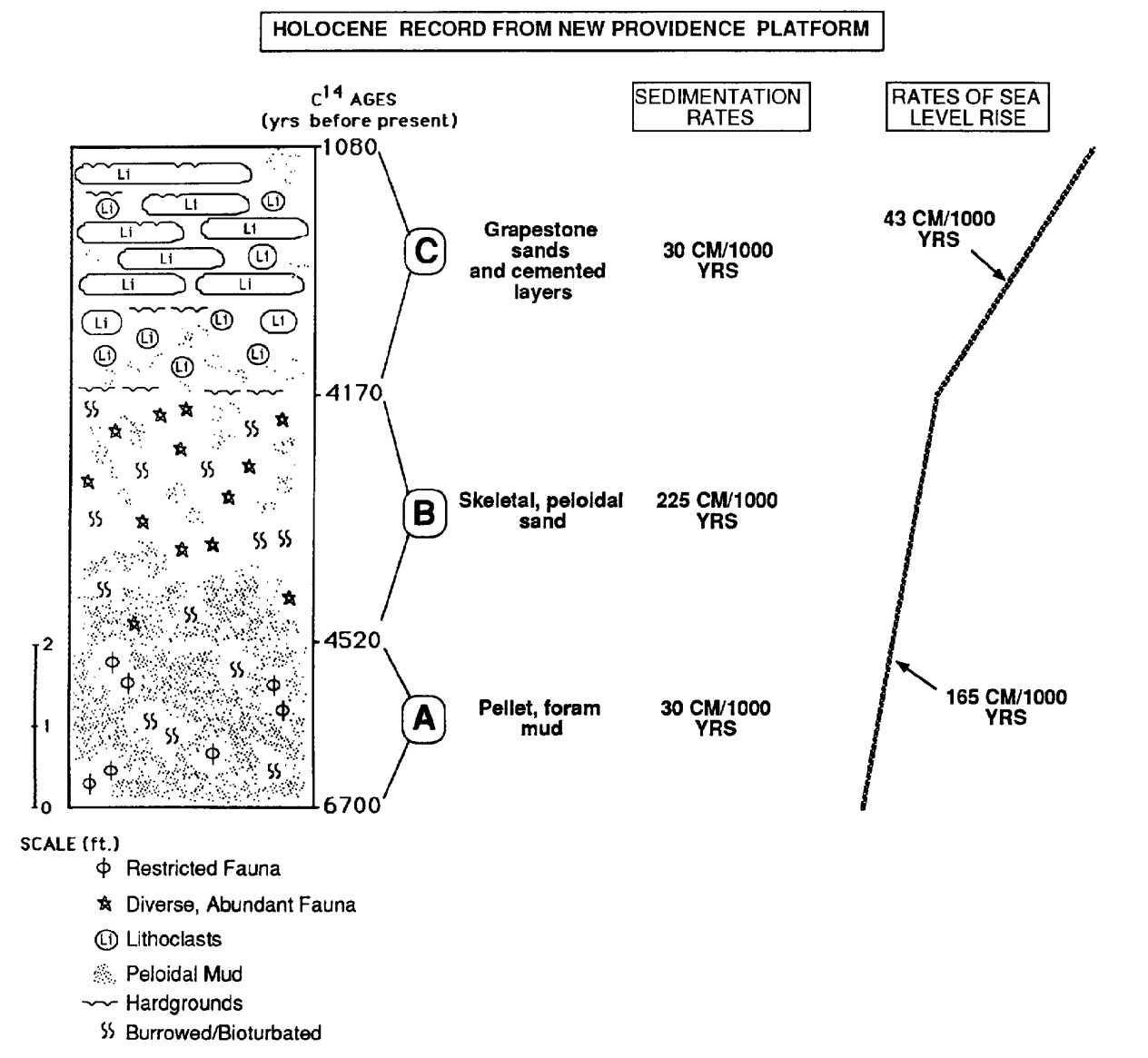
Holocene parasequence
- why do the authors discuss the Holocene?
- given your own work on (para)sequences anything odd about this holocene data?
class
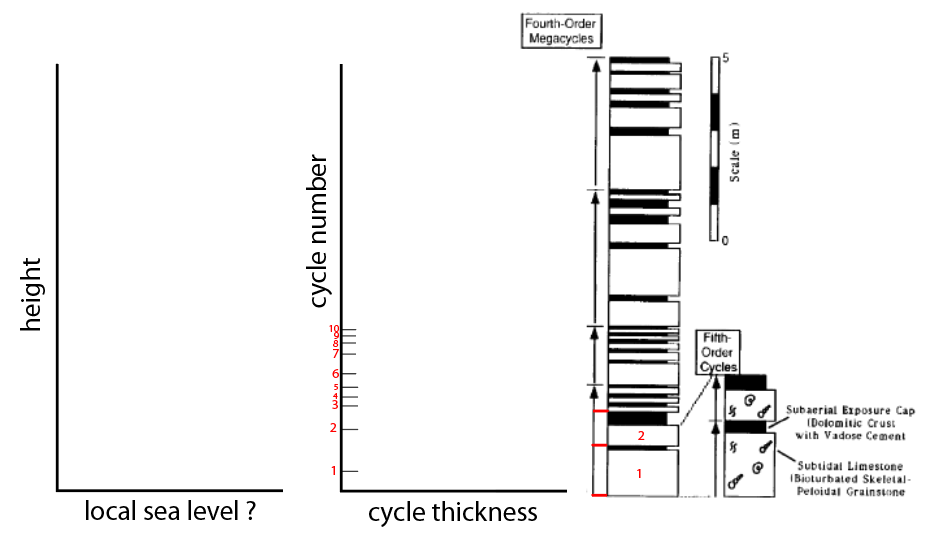
Nested cycles in the Latemar Limestone
- where is the ideal Latemar cycle on this plot?
- what is happening to cycle thickness up section?
- what do the authors think is happening to sea level?
class
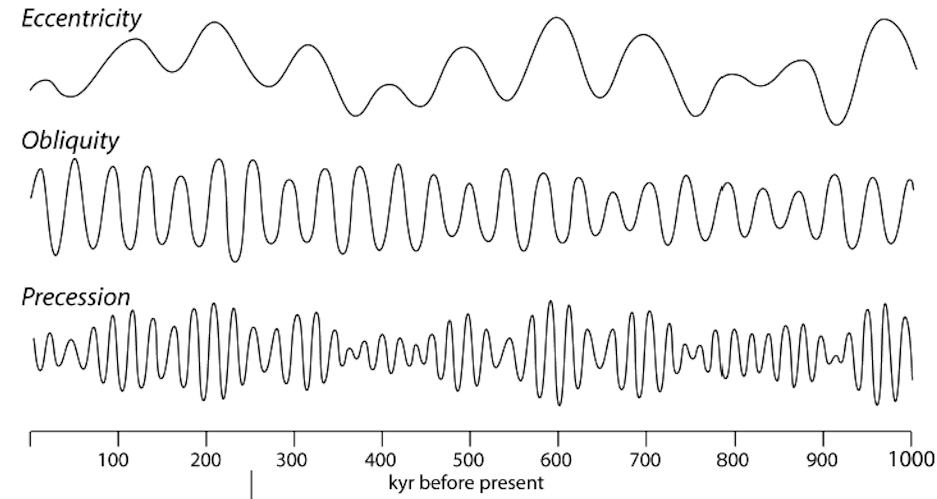
What is the propesed driver of cyclicity?
- what is driving an ideal cycle?
- what is driving the bundling of cycles into groups of five?
class
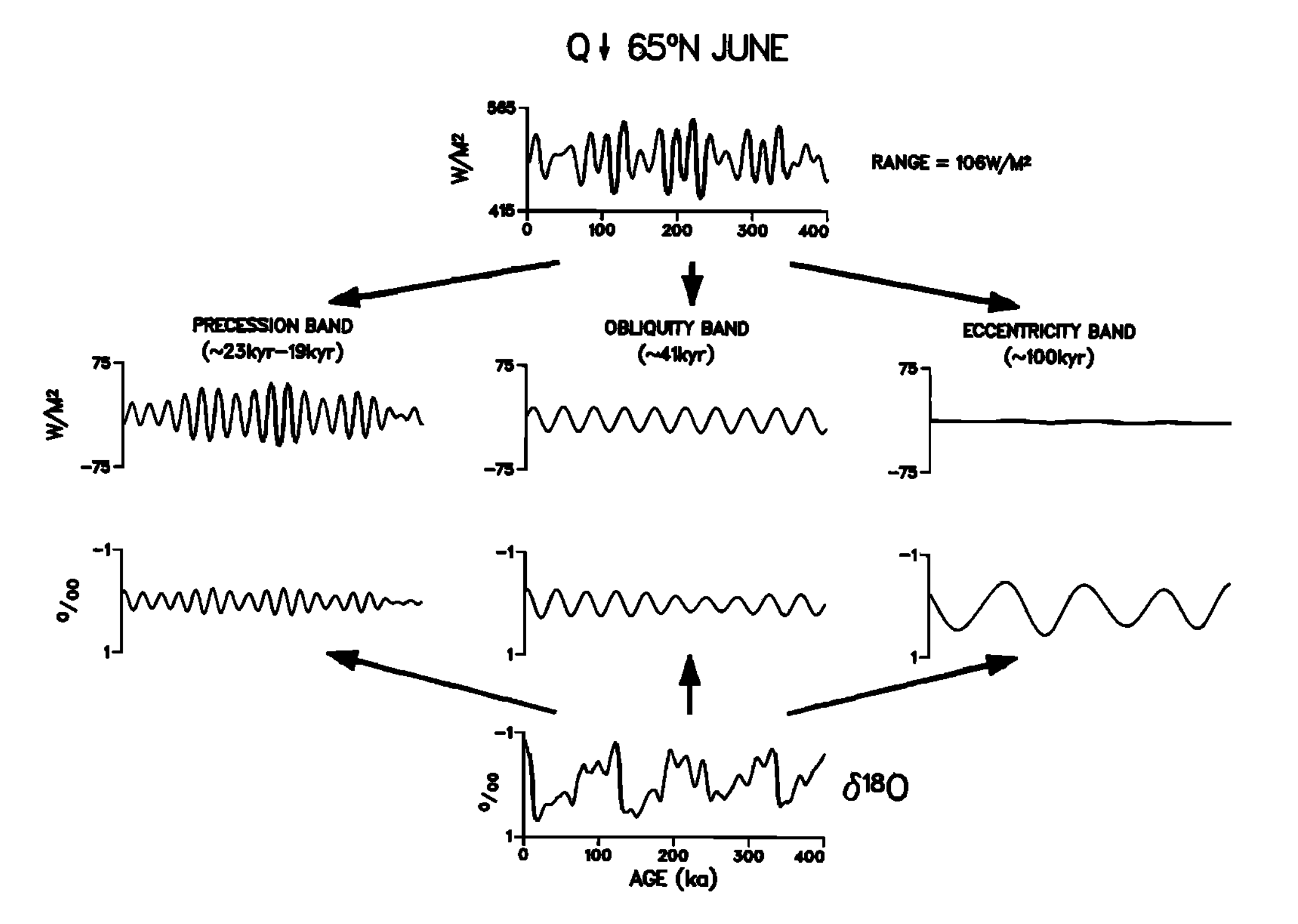
But then why are the bundles asymmetric (according to the authors)?
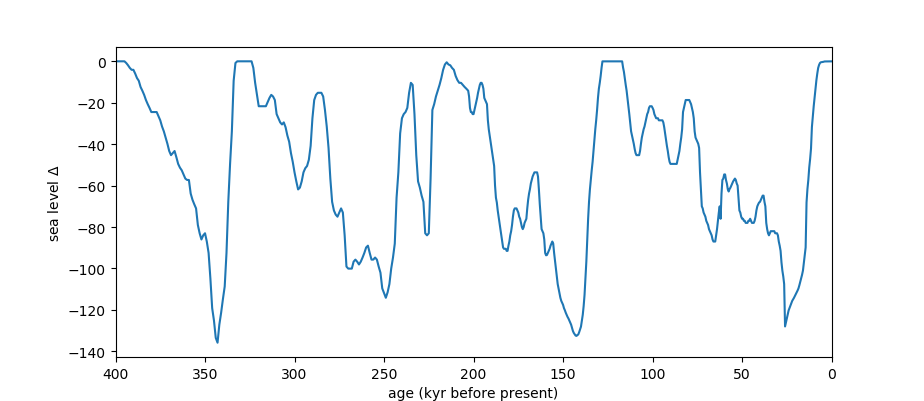
class
How then is time distributed in the Latemar succession?
- How long does one cycle last? How about 5 cycles?
class
Testing the hypothesis: how are they going to do it?
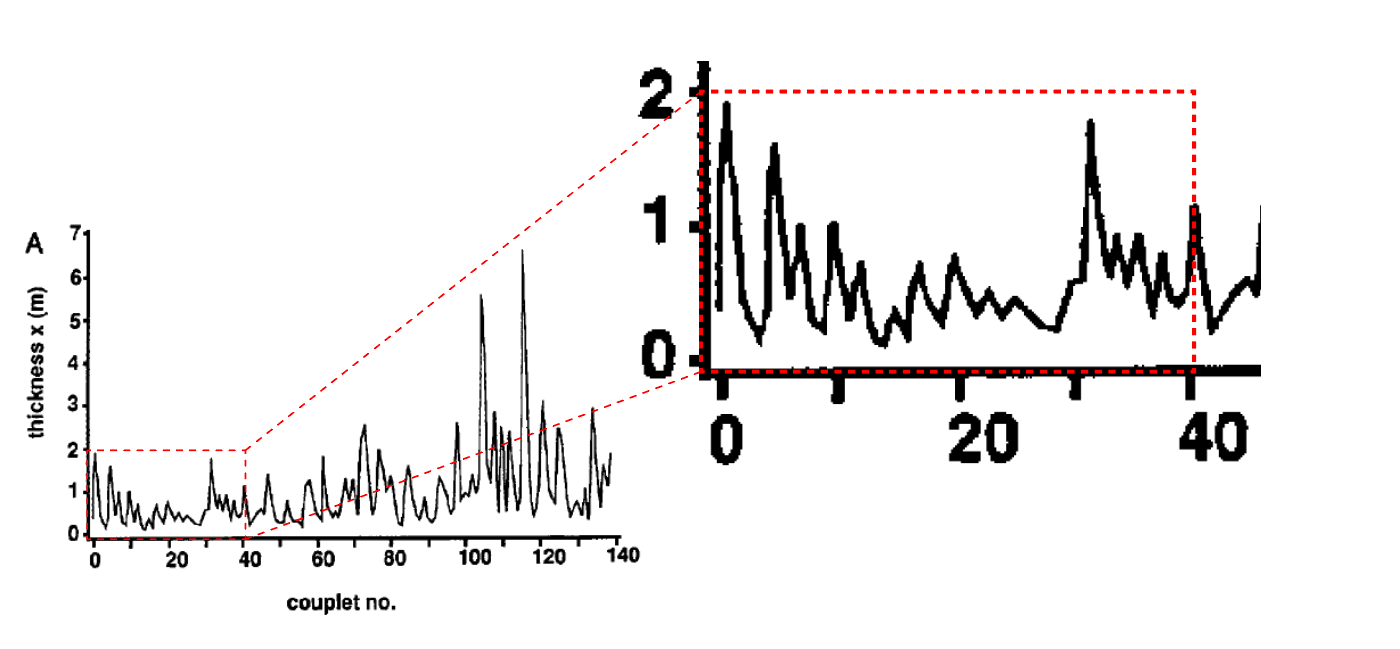
class
Testing the hypothesis: the analysis
Authors need to accomplish two things:
- show that a 5:1 bundling of cycles is a signicant feature of the data (easier)
- in other words, are there cycles in space?
- make the case that 1 bundle = precession and 5 bundles = eccentricity (way, way harder)
- do the cycles require a cyclic (in time) forcing?